ვექტორების დამატება კომპონენტების გამოყენებით - პრობლემები და გადაწყვეტილებები
1. სამი ვექტორი, როგორც ნაჩვენებია ქვემოთ მოცემულ ფიგურაზე.
V1 = 30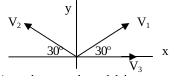
V2 = 30
ვ 3 = 40
რა არის შედეგად მიღებული ვექტორები.
ცნობილი:
V 1 = 30, კუთხე V 1- სა და x ღერძს შორის = 30 o
V 2 = 30, კუთხე V 2- სა და x ღერძს შორის = 30 o
V 3 = 40, კუთხე V 3-სა და x ღერძს შორის = 0 o
სასურველი: შედეგად მიღებული ვექტორები
გამოსავალი:
V 1x = (V 1 )(cos 30 o ) = (30)(0.5√3) = 15√3. დადებითია, რადგან ეს ვექტორული კომპონენტი მიმართულია დადებითი x ღერძის გასწვრივ (მარჯვნივ).
V 1y = (V 1 )(sin 30 o ) = (30)(0.5) = 15. დადებითია, რადგან ეს ვექტორული კომპონენტი მიმართულია დადებითი y ღერძის გასწვრივ (ზემოთ).
V 2x = (V 2 )(cos 30 o ) = (30)(0.5√3) = -15√3. უარყოფითია, რადგან ეს ვექტორული კომპონენტი უარყოფითი x ღერძის გასწვრივ (მარცხნივ) არის მიმართული.
V 2y = (V 2 )(sin 30 o ) = (30)(0.5) = 15. დადებითია, რადგან ეს ვექტორული კომპონენტი მიმართულია დადებითი y ღერძის გასწვრივ (ზემოთ).
V 3x = (V 3 )(cos 0 o ) = (40)(1) = 40. დადებითია, რადგან ეს ვექტორული კომპონენტი მიმართულია დადებითი x ღერძის გასწვრივ (მარჯვნივ).
V 3y = (V 3 )(sin 0 o ) = (40)(0) = 0
შედეგად მიღებული ვექტორების კომპონენტები:
ვ x = ვ 1x – ვ 2x + ვ 3x = 15√3 – 15√3 + 40 = 40
V y = V 1y + V 2y + V 3y = 15 + 15 = 30
2. ორი ერთმანეთის პერპენდიკულარული ძალა, F 1 = 12 N და F 2 = 5 N. რა არის ორივე ძალის რეზულტატი?
ცნობილი:
ძალა 1 (F1 ) = 12 ნიუტონი
ძალა 2 (F2 ) = 5 ნიუტონი
სასურველი: შედეგად მიღებული ვექტორები ( ΣF)
გამოსავალი:
ΣF2 = F12 + F22 = 122 + 52 = 144 + 25 = 169
ΣF = √ 169 = 13 ნიუტონი
3. სამი ვექტორი,
V1 = 30
V2 = 30
V3 = 40
განსაზღვრეთ შედეგად მიღებული ვექტორები.
ცნობილი:
v 1 = 30, ქმნის 30 °-ს უარყოფითი x ღერძის გარშემო
v 2 = 30, დადებითი x ღერძის გარშემო 30 o ბრუნავს
v 3 = 40, დადებითი x ღერძის გარშემო 0 o ბრუნავს
სასურველი: შედეგად მიღებული ვექტორები
გამოსავალი:
ვექტორების კომპონენტები:
v 1x = v 1 cos 30 o = (30)(0.5 √ 3) = -15 √ 3 ( უარყოფითი, რადგან ეს ვექტორული კომპონენტი მიმართულია უარყოფითი x ღერძის გასწვრივ (მარცხნივ) )
v 1y = v 1 sin 30 o = (30)(0.5) = 15 ( დადებითია, რადგან ეს ვექტორული კომპონენტი მიმართულია დადებითი y ღერძის გასწვრივ (ზემოთ) )
v 2x = v 2 cos 30 o = (30)(0.5 √ 3) = 15 √ 3 ( დადებითია, რადგან ეს ვექტორული კომპონენტი მიმართულია დადებითი x ღერძის გასწვრივ (მარჯვნივ ) )
v 2y = v 2 sin 30 o = (30)(0.5) = 15 ( დადებითია, რადგან ეს ვექტორული კომპონენტი მიმართულია დადებითი y ღერძის გასწვრივ (ზემოთ). )
v 3x = v 3 cos 0 o = (40)(1) = 40 ( დადებითია, რადგან ეს ვექტორული კომპონენტი მიმართულია დადებითი x ღერძის გასწვრივ (მარჯვნივ). )
v 3y = v 3 sin 0 o = (40)(0) = 0
შედეგად მიღებული ვექტორების კომპონენტები:
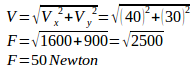
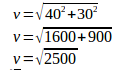
v x = – v 1x + v 2x + v 3x = -15 √ 3 + 15 √ 3 + 40 = 40
v y = v 1y + v 2y + v 3y = 15 + 15 = 30
შედეგად მიღებული ვექტორი:
4. რა არის სამი ვექტორის რეზულტატი, როგორც ეს ნაჩვენებია ქვემოთ მოცემულ ფიგურაზე :
ცნობილი:
F1 = 3 ნიუტონი, აკეთებს 60o დადებითი x ღერძის შესახებ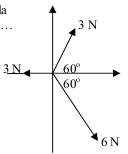
F2 = 3 ნიუტონი, ქმნის 0 °-ს უარყოფითი x ღერძის გარშემო
F 3 = 6 ნიუტონი , უარყოფითი y ღერძის გარშემო 60 ° ბრუნს აკეთებს
სასურველი: შედეგად მიღებული ვექტორი
გამოსავალი:
ვექტორების კომპონენტები:
F 1x = F 1 cos 60 o = (3)(0.5) = 1.5 N ( დადებითია, რადგან ეს ვექტორული კომპონენტი მიმართულია დადებითი x ღერძის გასწვრივ (მარჯვნივ ) )
F 1y = F 1 sin 60 o = (3)(0.5√3) = 1.5√3 N ( დადებითია, რადგან ეს ვექტორული კომპონენტი მიმართულია დადებითი y ღერძის გასწვრივ (ზემოთ) )
F 2x = F 2 cos 0 o = (3)(1) = -3 N ( უარყოფითი, რადგან ეს ვექტორული კომპონენტი მიმართულია უარყოფითი x ღერძის გასწვრივ (მარცხნივ) )
F 2y = F 2 sin 0 o = (3)(0) = 0
F 3x = F 3 cos 60 o = (6)(0.5) = 3 N ( დადებითია, რადგან ეს ვექტორული კომპონენტი მიმართულია დადებითი x ღერძის გასწვრივ (მარჯვნივ ) )
F 3y = F 3 sin 60 o = (6)(0.5√3) = -3√3 N ( უარყოფითი, რადგან ეს ვექტორული კომპონენტი უარყოფითი y ღერძის გასწვრივაა მიმართული ( ქვევით ) )
შედეგად მიღებული ვექტორების კომპონენტები:
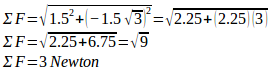
ΣF x = F 1x – F 2x + F 3x = 1.5 N – 3 N + 3 N = 1.5 N
ΣF y = F 1y + F 2y – F 3y = 1.5√3 N + 0 N – 3√3 N = -1.5√3 N
შედეგად მიღებული ვექტორი:
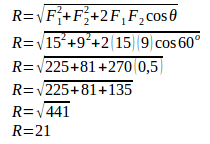
5. ორი ძალა, F 1 = 15 N და F 2 = 9 N. ორივე ვექტორს შორის კუთხე 60°-ია. რა არის ვექტორების რეზულტატი?
სასურველი:
ძალა 1 (F1 ) = 15 ნიუტონი
ძალა 2 (F2 ) = 9 ნიუტონი
კუთხე ( θ) = 60 °
სასურველი: შედეგად მიღებული ვექტორი
გამოსავალი:
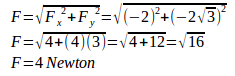
6. რას უდრის ქვემოთ მოცემულ ფიგურაზე ნაჩვენები სამი ვექტორის რეზულტატი?
ცნობილი:
F1 = 20 ნიუტონი, კუთხე F-ს შორის1 და x ღერძი = 0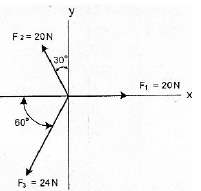
F2 = 20 ნიუტონი, კუთხე F2- სა და x ღერძს შორის = 60
F3 = 24 ნიუტონი, კუთხე F3- სა და x ღერძს შორის = 60
სასურველი: შედეგად მიღებული ვექტორი
გამოსავალი:
ვექტორების კომპონენტები:
F 1x = (F 1 )(cos 0) = (20)(1) = 20. დადებითია, რადგან ეს ვექტორული კომპონენტი მიმართულია დადებითი x ღერძის გასწვრივ (მარჯვნივ ).
F 1y = (F 1 )(sin 0) = (20)(0) = 0
F 2x = (F 2 )(cos 60) = (20)(0.5) = -10. უარყოფითია, რადგან ეს ვექტორული კომპონენტი უარყოფითი x ღერძის გასწვრივ (მარცხნივ) მიუთითებს.
F 2y = (F 2 )(sin 60) = (20)(0.5√3) = 10√3. დადებითია, რადგან ეს ვექტორული კომპონენტი მიმართულია დადებითი y ღერძის გასწვრივ (ზემოთ).
F 3x = (F 3 )(cos 60) = (24)(0.5) = -12. უარყოფითია, რადგან ეს ვექტორული კომპონენტი უარყოფითი x ღერძის გასწვრივ (მარცხნივ) მიუთითებს.
F 3y = (F 3 )(sin 60) = (24)(0.5√3) = -12√3. N უარყოფითია, რადგან ეს ვექტორული კომპონენტი უარყოფითი y ღერძის გასწვრივაა მიმართული ( ქვევით ).
შედეგად მიღებული ვექტორების კომპონენტები:
F x = F 1x – F 2x – F 3x = 20 – 10 – 12 = -2
F y = F 1y + F 2y – F 3y = 0 + 10√3 – 12√3 = -2√3
შედეგად მიღებული ვექტორი: