凹レンズによる像の形成に関する記事
凹レンズによる像の形成を理解するために、次の例題と解答を見てください。この場合、物体は凹レンズから一定の距離にあると仮定します。
次に、凹レンズによる像の形成、凹レンズからの像距離、および凹レンズによる像の倍率を図示します。
凹レンズ(発散レンズ)の焦点距離は20cmです。高さ10cmの物体がレンズの左側にあります。以下の条件を満たす場合、像距離、像の倍率、像の高さを求めなさい。
a) 物体距離が凹レンズの焦点距離よりも短い
b) 物体距離は凹レンズの焦点距離と同じである
c) 物体距離が凹レンズの焦点距離よりも大きい場合
既知:
凹レンズの焦点距離 (f) = -20 cm
凹レンズの焦点距離は負の値をとります。これは、凹レンズの焦点が虚点であり、光線が焦点を通らないためです。
物体の高さ (h) = 10 cm
解決策:
物体距離は凹レンズの焦点距離よりも小さい(do > f)。
物体までの距離が5cm、10cm、15cmだと仮定します。
a) 焦点距離は-20cmで、物体距離(do) = 5cmの場合
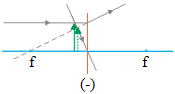
画像距離(di)
1/di = 1/f – 1/do = -1/20 – 1/5 = -1/20 – 4/20 = -5/20
di = -20/5 = -4 cm
像距離の符号が負の場合、像は虚像であり、光線が像を通過しないことを意味します。
像距離4cmは、物体距離5cmよりも小さい。
画像の倍率(M)
M = -di / do = -(-4)/5 = 4/5 = 0.8
画像の倍率が1未満ということは、画像が縮小されている、つまり画像のサイズが対象物のサイズよりも小さいことを意味します。
画像の高さ(h')
画像の拡大率の式:
M = h' / h
h' = M h = (0.8)(10 cm) = 8 cm
画像の高さはプラスの指標であり、画像が正立していることを意味します。
b) 焦点距離は-20cmで、物体距離(do) = 10cmの場合
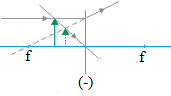
画像距離(di)
1/di = 1/f – 1/do = -1/20 – 1/10 = -1/20 – 2/20 = -3/20
di = -20/3 = -6.7 cm
像距離が負の値であるということは、像が虚像であり、光線が像を通過しないことを意味します。
像距離は6.7cmで、物体距離の10cmよりも短い。
画像の倍率(M)
M = -di / do = -(-6.7)/10 = 6.7 / 10 = 0.67
画像の倍率が1より小さいということは、画像が縮小されている、つまり画像のサイズが対象物のサイズよりも小さいことを意味します。
画像の高さ(h')
画像の拡大率の式:
M = h'/h
h' = M h = (0.67)(10 cm) = 6.7 cm
画像の高さはプラスの指標であり、画像が正立していることを意味します。
c) 焦点距離は-20cm、物体距離(do)は15cmです。
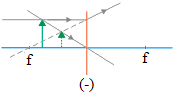
画像距離(di)
1/di = 1/f – 1/do = -1/20 – 1/15 = -3/60 – 4/60 = -7/60
di = -60/7 = -8.6 cm
像距離が負の値であるということは、像が虚像であり、光線が像を通過しないことを意味します。
像距離は8.7cmで、物体距離の15cmよりも短い。
画像の倍率(M)
M = -di / do = -(-8.6)/10 = 8.6 / 10 = 0.86
画像の倍率が1未満ということは、画像のサイズが対象物のサイズよりも小さいことを意味します。
画像の高さ(h')
画像の拡大率の式:
M = h'/h
h' = M h = (0.86)(10 cm) = 8.6 cm
画像の高さが正の値であるということは、画像が正立していることを意味します。
物体距離は凹レンズの焦点距離と同じである(do = f)。
焦点距離(f)=物体距離(do)=20cm。
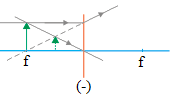
画像距離(di)
1/di = 1/f – 1/do = -1/20 – 1/20 = -2/20 = -2/20
di = -20/2 = -10 cm
像距離が負の値であるということは、像が虚像であり、光線が像を通過しないことを意味します。
像距離は10cmで、物体距離の20cmよりも短い。
画像の倍率(M)
M = -di / do = -(-10)/20 = 10/20 = 0.5
画像の倍率は1未満であり、これは画像サイズが対象物のサイズよりも小さいことを意味します。
画像の高さ(h')
画像の拡大率の式:
M = h'/h
h' = M h = (0.5)(10 cm) = 5 cm
画像の高さが正の値であるということは、画像が正立していることを意味します。
物体距離は凹レンズの焦点距離よりも大きい(do > f)
物体間の距離が30cmと40cmだとします。
a) 焦点距離は-20cmで、物体距離(do) = 30cmの場合
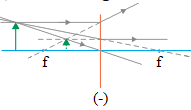
画像距離(di)
1/di = 1/f – 1/do = -1/20 – 1/30 = -3/60 – 2/60 = -5/60
di = -60/5 = -12 cm
像距離が負の値であるということは、像が虚像であり、光線が像を通過しないことを意味します。
像距離は12cmで、物体距離の30cmよりも短い。
画像の倍率(M)
M = -di / do = -(-12)/30 = 12/30 = 0.4
画像の倍率は1未満であり、これは画像サイズが対象物のサイズよりも小さいことを意味します。
画像の高さ(h')
画像の拡大率の式:
M = h'/h
h' = M h = (0.4)(10 cm) = 4 cm
画像の高さはプラスの指標であり、画像が正立していることを意味します。
b) 焦点距離が20cmで、物体距離(do)が40cmの場合
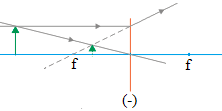
画像距離(di)
1/di = 1/f – 1/do = -1/20 – 1/40 = -2/40 – 1/40 = -3/40
di = -40/3 = -13 cm
像距離が負の値であるということは、像が虚像であり、光線が像を通過しないことを意味します。
像距離は13cmで、物体距離40cmよりも短い。
画像の倍率(M)
M = -di / do = -(-13)/40 = 13/40 = 0.3
画像の倍率は1未満であり、これは画像サイズが対象物のサイズよりも小さいことを意味します。
画像の高さ(h')
画像の拡大率の式:
M = h'/h
h' = M h = (0.3)(10 cm) = 3 cm
画像の高さは正の符号で表され、これは画像が正立していることを意味します。
