טעמפּעראַטור און היץ – פּראָבלעמען און לייזונגען
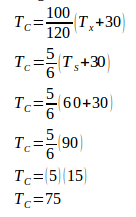
1. אויף אַ טערמאָמעטער X, דער פֿרירפּונקט פֿון וואַסער ביי -30 o און דער קאָכפּונקט פֿון וואַסער ביי 90 o . 60 O X = ….. o C.
באַקאַנט:
דער פרירפונקט פון וואַסער = -30 °
דער קאָכפונקט פון וואַסער = 90 גראַד
געוואָלט: 60 o X = ….. o C
לייזונג:
אויף דער פאַהרענהייט סקאַלע, איז דער פרירפּונקט פון וואַסער 32 o F און דער קאָכפּונקט פון וואַסער איז 212 o F. צווישן דעם פרירפּונקט און דעם קאָכפּונקט, 212 o – 32 o = 180 o.
אויף דער צעלזיוס סקאַלע, איז דער פרירפונקט פון וואַסער 0 oC און דער קאָכפונקט פון וואַסער איז 100 oC . צווישן דעם פרירפונקט און דעם קאָכפונקט, 100 o – 0 o = 100 o.
אויף דער X סקאַלע , איז דער פרירפונקט פון וואַסער -30 גראַד.
טוישן די X סקאַלע צו די צעלזיוס סקאַלע:
2. א מעטאַל שטאַנג געהייצט פֿון 30oC צו 80oC. די לעצטע לענג פון דער שטאנג איז קסנומקס סענטימעטער. דער קאָואַפישאַנט פון לינעאַרע עקספּאַנסיע is 3.10-3 oC-1. וואָס איז די אָנהייב לענג פון דער מעטאַל שטאַנג?
באַקאַנט:
די אָנהייב טעמפּעראַטור (T1 ) = 30 ° C
די לעצטע טעמפּעראַטור (T2 ) = 80 ° C
די ענדערונג אין טעמפּעראַטור ( ΔT) = 80 oC – 30 oC = 50 oC
דער קאָעפיציענט פון לינעאַרער יקספּאַנשאַן (α) = 3.10 -3 o C -1
די לעצטע לענג פון די מעטאַל (L) = 115 ס״מ
געוואונטשט: די אנפאנגס-לענג פון דער מעטאל-שטאנג (L o )
לייזונג:
די גלייכונג פון דער לינעארער אויסברייטונג:
ל = ל o + Δל
ל = ל o + α ל o ΔT
ל = ל o (1 + α ΔT)
115 = ל o (1 + 3.10 -3 .50)
115 = ל o (1 + 150.10 -3 )
115 = ל o (1 + 0.15)
115 = ל אָ (1.15)
ל = 115 / 1.15
ל = 100 ס״מ
3. די אָנהייב לענג פון אַ מעשינג שטאַנג איז קסנומקס סענטימעטער. נאך הייצן, איז די לעצטע לענג פון די מעשינג 40.04 סענטימעטער און די לעצטע טעמפּעראַטור איז 80oC. אויב דער קאָעפיציענט פון לינעאַרער יקספּאַנשאַן פון מעשינג איז קסנומקס רענטגענ קסנומקס-5 oC-1, וואָס איז די אָנהייב טעמפּעראַטור פון די מעשינג שטאַנג.
באַקאַנט:
די לעצטע טעמפּעראַטור (T2 ) = 80 ° C
די אָנהייב לענג (L o ) = 40 ס״מ
די לעצטע לענג (L) = 40.04 ס״מ
די פארגרעסערונג אין לענג (ΔL) = 40.04 ס״מ – 40 ס״מ = 0.04 ס״מ
דער קאָעפיציענט פון לינעאַרער יקספּאַנשאַן (α) = 2.0 x 10 -5 o C -1
לייזונג: אָנהייב טעמפּעראַטור ( T1 )
לייזונג;
די גלייכונג פון דער לינעארער אויסברייטונג:
ל = ל o + α ל o ΔT
ל – ל o = α ל o Δט
ΔL = α L o ΔT
ΔL = αL o ( T2 – T1 )
0.04 = (2.0 x 10⁻⁵ ) (40)(80 – T1 )
0..04 = (80 x 10-5 )(80 – T1 )
0.04 = 0.0008 (80 – T1 )
0.04 = 0.064 – 0.0008 ט 1
0..0008 ט 1 = 0.064 – 0.040
0.0008 ט 1 = 0.024
ט 1 = 30 ° C
4. צוויי מעטאַל שטאַנגען מיט דער זעלבער גרייס אָבער פֿאַרשידענע טיפּן, ווי געוויזן אין דער בילד אונטן. די טערמישע קאַנדאַקטיוויטי פֿון מעטאַל I = 4 מאָל די טערמישע קאַנדאַקטיוויטי פֿון מעטאַל II. וואָס איז די טעמפּעראַטור צווישן ביידע מעטאַלן.
באַקאַנט:
די גרייס פון ביידע שטאנגען איז די זעלבע.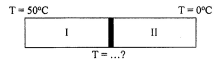
די טערמישע קאַנדאַקטיוויטי פון מעטאַל I = 4k
די טערמישע קאַנדאַקטיוויטי פון מעטאַל II = k
די טעמפּעראַטור פון איין עק פון מעטאַל I = 50 0 C
די טעמפּעראַטור פון איין עק פון מעטאַל II = 0 0 C
געוואָלט: די טעמפּעראַטור צווישן ביידע מעטאַל שטאַנגען
לייזונג:
די גלייכונג פון היץ קאַנדאַקשאַן:
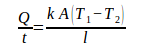
Q/t = די ראטע פון היץ קאנדוקציע , k = טערמישע קאנדוקטיוויטעט , A = די קראָס-סעקשאַנאַל שטח , T1 - T2 = די ענדערונג אין טעמפּעראַטור , l = די לענג פון דער שטאַנג.
די טעמפּעראַטור צווישן ביידע שטאַנגען:
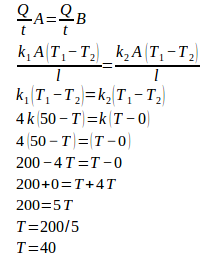
די טעמפּעראַטור אין צענטער צווישן ביידע מעטאַל שטאַנגען איז 40 oC.
5.
(1) קאַנדאַקטיוויטי פון מעטאַל
(2) דער טעמפּעראַטור־אונטערשייד
(3) די לענג פון מעטאַל
(4) מאַסע פון מעטאַל
פאַקטאָרן וואָס באַשטימען די ראַטע פון היץ קאַנדאַקשאַן אויף מעטאַלן זענען…..
לייזונג:
באַזירט אויף דער גלייכונג פון היץ קאַנדאַקשאַן, פאַקטאָרן וואָס באַשטימען די קורס פון היץ קאַנדאַקשאַן אויף מעטאַלן זענען קאַנדאַקטיוויטי פון מעטאַל (k), דער חילוק פון טעמפּעראַטור (T) און די לענג פון מעטאַל (l).
6. צוויי שטאַנגען פון דער זעלבער גרייס אָבער פֿאַרשידענע טיפּן, ווי געוויזן אין דער בילד אונטן. די טערמישע קאַנדאַקטיוויטי פון שטאַנג P איז 2 מאָל די טערמישע קאַנדאַקטיוויטי פון שטאַנג Q. וואָס איז די טעמפּעראַטור צווישן ביידע שטאַנגען.
באַקאַנט:
ביידע שטאַנגען האָבן די זעלבע גרייס.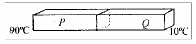
טערמישע קאַנדאַקטיוויטי פון שטאַנג P (kP ) = 2k
די טערמישע קאַנדאַקטיוויטי פון שטאַנג Q (k Q ) = k
געוואָלט: די טעמפּעראַטור צווישן ביידע שטאַנגען
לייזונג:
די גלייכונג פון היץ קאַנדאַקשאַן:
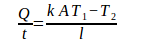
Q/t = די ראטע פון היץ קאנדוקציע , k = טערמישע קאנדוקטיוויטעט , A = די קראָס-סעקשאַנאַל שטח , T1 - T2 = די ענדערונג אין טעמפּעראַטור , l = די לענג פון דער שטאַנג.
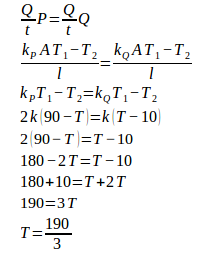
די טעמפּעראַטור אין צענטער צווישן ביידע שטאַנגען:
8. 100-גראַם אויל ביי 20 oC און 50-גראַם אייַזן ביי 75 oC ווערן געלייגט אין אַ 200-גראַם אייַזן קאַנטיינער. די טעמפּעראַטור פאַרגרעסערונג פון דעם קאַנטיינער איז 5 oC און די ספּעציפֿישע היץ פון אויל איז 0.43 קאַל/ג oC . וואָס איז די ספּעציפֿישע היץ פון דעם אייַזן?
באַקאַנט:
מאַסע פון אייַזן קאַנטיינער (מ²) = 200 גראַם
די אָנהייב טעמפּעראַטור פֿון דעם אייַזן קאַנטיינער (T1 ) = די טעמפּעראַטור פֿון אויל = 20 ° C
די לעצטע טעמפּעראַטור פֿון דעם אייַזן קאַנטיינער (T2 ) = 20 ° C + 5 ° C = 25 ° C
מאַסע פון אויל (מ²) = 100 גראַם
די ספּעציפֿישע היץ פֿון אויל (c אויל ) = 0.43 קאַל/ג o C
די אָנהייב טעמפּעראַטור פון אויל (T1 ) = 20 ° C
די לעצטע טעמפּעראַטור פון אויל (T2 ) = 20 ° C + 5 ° C = 25 ° C
מאַסע פון אייַזן (מ²) = 50 גראַם
די אָנהייב טעמפּעראַטור פון אויל (T1 ) = 75 ° C
די לעצטע טעמפּעראַטור פון אויל (T2 ) = 25 ° C
געוואָלט: די ספּעציפֿישע היץ פֿון אייַזן (c אייַזן)
לייזונג:
היץ ארויסגעלאָזט דורך אייַזן:
ק = mc ΔT = (50)(c)(75-25) = (50)(c)(50) = 2500c קאַלאָריע
היץ אַבזאָרבירט דורך די אייַזן קאַנטיינער:
ק = mc ΔT = (200)(c)(25-20) = (200)(c)(5) = 1000c קאַלאָריע
היץ אַבזאָרבירט דורך אויל:
ק = mc ΔT = (100)(0.43)(25-20) = (43)(5) = 215 קאַלאָריעס
דער שוואַרצער פּרינציפּ זאָגט אַז אין אַן אפגעזונדערטער סיסטעם, ווערט די היץ וואָס ווערט אַרויסגעלאָזט דורך דעם הייסערן אָביעקט אַבזאָרבירט דורך דעם קילערן אָביעקט.
Q מעלדונג = Q אַבזאָרפּציע
2500c = 1000c + 215
2500c – 1000c = 215
1500c = 215
c = 215/1500
c = 0.143 קאַל/ג o C
9. א 200-גראם וואסער ביי 20°C געשטעלט אין 50-גראם אייז ביי -2°C. אויב די ענדערונג פון היץ איז נאר צווישן וואסער און אייז, וואס איז די לעצטע טעמפעראטור פון די געמיש? די ספעציפישע היץ פון וואסער איז 1 קאל/גר°C, די ספעציפישע היץ פון אייז איז 0.5 קאל/גר°C, די היץ פון מישונג פאר אייז איז 80 קאל/גר.
באַקאַנט:
מאַסע פון וואַסער (מ וואַסער ) = 200 גראַם
טעמפּעראַטור פון וואַסער (ט וואַסער ) = 20 o C
די ספּעציפֿישע היץ פֿון וואַסער (c וואַסער ) = 1 קאַל/גר°C
מאַסע פון אייז (m² אייז ) = 50 גראַם
טעמפּעראַטור פון אייז (T ice ) = -2 ° C
די ספּעציפֿישע היץ פֿון אייז (c אייז ) = 0.5 קאַל/גר°C
די היץ פון פוסיאָן פֿאַר אייז (ל) = 80 קאַל/גר
לייזונג:
היץ צו פארגרעסערן אייז פון -2 ° C צו 0 ° C:
ק = מק Δט
ק = (50 גראַם)(0.5 קאַל/גר°C)(0 ° C – (-2 ° C))
ק = (50)(0.5 קאַל)(2)
ק = 50 קאַלאָריעס
היץ פֿאַר צעשמעלצן אַלע אייז:
ק = מ ל = (50 גראַם)(80 קאַל/גראַם) = 4000 קאַלאָריעס
היץ צו פֿאַרמינערן די טעמפּעראַטור פֿון אַלע וואַסער פֿון 20 ° C ביז 0 ° C:
ק = מק Δט
ק = (200 גראַם)(1 קאַל/גר°C)(0 ° C – (20 ° C))
ק = (200)(1 קאַל)(-20)
ק = -4000 קאַלאָריעס
דאס פלוס צייכן ווייזט אז די היץ ווערט צוגעלייגט, דאס מינוס צייכן ווייזט אז היץ ווערט ארויסגעלאזט.
50 קאַלאָריעס היץ איז נויטיק צו פאַרגרעסערן די טעמפּעראַטור פון אייז צו 0 ° C און 4000 קאַלאָריעס צו צעשמעלצן אַלע אייז. גאַנץ היץ = 4050 קאַלאָריעס. די היץ וואָס וואַסער באַפרייט איז 4000 קאַלאָריעס.
א טייל פון די אייז שמעלצט נישט, ממילא איז די ענדגילטיגע טעמפעראטור פון אייז און וואסער 0 ° C.
10. א 200-גראם אלומיניום ביי 20 oC געשטעלט אין 100-גראם וואסער ביי 80 oC אין א קאנטעינער. די ספעציפישע היץ פון אלומיניום איז 0.22 קאל/ג oC און די ספעציפישע היץ פון וואסער איז 1 קאל/ג oC . וואס איז די לעצטע טעמפעראטור פון אלומיניום?
באַקאַנט:
מאַסע פון אַלומינום = 200 גראַם
טעמפּעראַטור פון אַלומינום = 20 oC
מאַסע פון וואַסער = 100 גראַם
וואַסער טעמפּעראַטור = 80 ° C
די ספעציפישע היץ פון אַלומינום = 0.22 קאַל/ג אָ C
די ספּעציפֿישע היץ פֿון וואַסער = 1 קאַלאָריעס/ג אָ C
געוואלט: די לעצטע טעמפּעראַטור פון אַלומינום
לייזונג:
אַלומינום און וואַסער זענען אין טערמישן גלייכגעוויכט אַזוי אַז די לעצט טעמפּעראַטור פון אַלומינום = די לעצט טעמפּעראַטור פון וואַסער.
היץ ארויסגעגעבן דורך הייס וואַסער (Q ארויסגעבן) = היץ אַבזאָרבירט דורך אַלומינום (Q אַבזאָרב)
מ וואַסער c ( ΔT ) = מ אַלומינום c ( ΔT )
(100)(1)(80 – ט) = (200)(0.22)(ט – 20)
(100)(80 – ט) = (44)(ט – 20)
8000 – 100T = 44T – 880
8000 + 880 = 44T + 100T
8880 = 144T
ט = 62 ° C
11. א 50-גראם מעטאל ביי 85 °C איז געלייגט געווארן אין 50 גראם וואסער ביי 29.8 °C. די ספעציפישע היץ פון וואסער = 1 קאל.ג —1 .°C —1 . די ענדגילטיגע טעמפעראטור איז 37 °C. וואס איז די ספעציפישע היץ פון מעטאל.
באַקאַנט:
מאַסע פון מעטאַל (m מעטאַל ) = 50 גראַם
טעמפּעראַטור פון מעטאַל = 85 ° C
מאַסע פון וואַסער (מ וואַסער ) = 50 גראַם
וואַסער טעמפּעראַטור = 29,8 ° C
די ספּעציפֿישע היץ פֿון וואַסער (c וואַסער ) = 1 קאַל.ג -1 .°C -1
די לעצטע טעמפּעראַטור פון וואַסער = 37 ° C
געוואָלט: די ספּעציפֿישע היץ פֿון מעטאַל (c מעטאַל)
לייזונג:
היץ ארויסגעלאָזט דורך הייס מעטאַל (Q ארויסלאָז) = היץ אַבזאָרבירט דורך וואַסער (Q אַבזאָרב)
מ מעטאַל c ( ΔT ) = מ וואַסער c ( ΔT )
(50)(c)(85 – 37) = (50)(1)(37 – 29.8)
(c)(85 – 37) = (1)(37 – 29.8)
48 ג = 7.2
c = 0.15 קאַל.ג -1 .°C -1
12. א בלאק אייז מיט א מאסע פון 50 גראם ביי 0°C און 200 גראם וואסער ביי 30°C, געשטעלט אין א קאנטעינער. אויב די ספעציפישע היץ פון וואסער איז 1 קאל.ג – 1 °C –1 און די היץ פון צוזאמענשמעלצונג פאר אייז איז 80 קאל.ג – 1. וואס איז די לעצטע טעמפעראטור פון דער געמיש?
באַקאַנט:
מאַסע פון אייז (m² אייז ) = 50 גראַם
די טעמפּעראַטור פֿון אייז = 0°C
מאַסע פון וואַסער (מ וואַסער ) = 200 גראַם
וואַסער טעמפּעראַטור = 30 ° C
די ספּעציפֿישע היץ פֿון וואַסער (c וואַסער ) = 1 קאַל.ג – 1 °C –1
די היץ פון פוסיאָן פֿאַר אייז (L אייז ) = 80 קאַל.ג –1
געוואָלט: די לעצטע טעמפּעראַטור
לייזונג:
שאַצן די לעצטע צושטאַנד:
היץ ארויסגעלאָזט דורך וואַסער צו פאַרמינערן זיין טעמפּעראַטור פון 30 ° C צו 0 ° C:
קװ באַפֿרײַונג = m וואַסער c וואַסער ( ΔT ) = (200)(1)(30-0) = (200)(30) = 6000
היץ דארף צו צעשמעלצן אלע אייז:
ק = m אייז L אייז = (50)(80) = 4000
די היץ וואָס ווערט גענוצט צו צעשמעלצן אַלע אייז איז 4000, בשעת די היץ וואָס ווערט אַרויסגעלאָזט דורך וואַסער איז 6000. מען קען אויספירן אַז די לעצטע טעמפּעראַטור פון דער געמיש איז העכער 0 ° C.
שוואַרץ פּרינציפּ:
היץ ארויסגעלאָזט דורך וואַסער = היץ פֿאַר צעשמעלצן אַלע אייז + היץ צו פאַרגרעסערן די טעמפּעראַטור פון אייז.
(m וואַסער )(c וואַסער )( ΔT ) = (m אייז )(L אייז ) + (m אייז )(c וואַסער )( ΔT )
(200)(1)(30-T) = (50)(80) + (50)(1)(T-0)
(200)(30-ט) = (50)(80) + (50)(ט-0)
6000 – 200T = 4000 + 50T – 0
6000 – 4000 = 50T + 200T
2000 = 250T
ט = 2000/250
ט = 8 ° C
