استحکام

Article about Resistivity

Regarding electric current, the density of electric current has been discussed, so also the electric field has been explained in-topic about the electric field. The electric field and electric current are in a conductor if there is a potential difference in the conductor, whereas if there is no potential difference, then there is also no electric field and electric current.

In almost all metal conductors, the electric field is directly proportional to the density of the electric current, where the ratio of the electric field to the density of the electric current is constant. The value of the comparison of the electric field to current density is called resistivity. Mathematically, the relationship between the electric field, current density, and resistivity is stated in the equation:

مزید پڑھ

ریزسٹر کلر کوڈ

Article about the Resistor color code

۔ resistor is one component of an electrical circuit that functions to control the number of electric currents. In general, there are two types of resistors, namely wire coil resistors and carbon resistors. Wire roll resistors are usually used in the laboratory, made by wrapping fine wire on the surface of the insulator tube. Carbon resistors are typically used in electronic circuits, cylindrical, and have wires at both ends. The value of the carbon resistor resistance is expressed in color code and displayed on the surface of the resistor.

The resistance value of a resistor can be known by interpreting the resistor color code. To understand this, first look at the following table, then study the example problem to determine the resistor resistance value.

مزید پڑھ

سیریز میں مزاحم

Resistors in series 1

Article about the Resistors in series

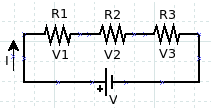
If the resistors are connected as shown in the figure, the resistors are arranged in series. Resistor or electrical resistance in question can be in the form of resistor components, lights, or other electrical resistance.

The electric charge moves through resistance 1 (R1) = the برقی چارج moves through resistance 2 (R2) = the electric charge moves through resistance 3 (R3). برقی بہاؤ (I) is an electric charge that flows during a certain time interval (I = Q / t), hence the electric current through resistance 1 (I1) = electric current through resistance 2 (I2) = electric current through resistance 3 (I3). Mathematically, the total electric current (I) = I1 = میں2 = میں3.

مزید پڑھ

برقی مزاحمت

Equation of the Electric resistance

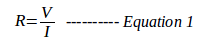
In the topic of Ohm’s law, a formula that states the relationship between the وولٹیج (V) برقی بہاؤ (I), and برقی مزاحمت (R) has been derived. Mathematically expressed through equations:

Electric resistance 1

This equation shows that the electrical resistance (R) is directly proportional to the electric voltage (V) and inversely proportional to the electric current (I). If the mains voltage is greater than the electrical resistance is getting bigger, on the contrary, if the stronger the electric current gets bigger than the electrical resistance will be greater. This equation explains Ohm’s law only when the electrical resistance (R) is constant. If the electrical resistance is not constant, then this equation does not explain Ohm’s law, but explains the resistance of a conductor.

مزید پڑھ

متوازی میں مزاحم

متوازی 1 میں مزاحم

متوازی طور پر مزاحموں کے بارے میں مضمون

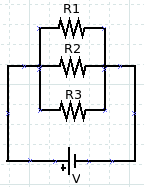
اگر ریزسٹرس آپس میں جڑے ہوئے ہیں جیسا کہ شکل میں ہے، ریزسٹرس متوازی طور پر جڑے ہوئے ہیں۔

۔ برقی بہاؤ (برقی کرنٹ = برقی چارج جو وقت کے وقفے کے دوران بہتا ہے) جو جنکشن پوائنٹ میں داخل ہوتا ہے وہی ہے جیسا کہ برقی کرنٹ جنکشن پوائنٹ سے نکلتا ہے۔ کئی جنکشن ہیں تاکہ کل برقی کرنٹ = ہر جنکشن میں بہنے والے برقی رو کی مقدار۔ ریاضی کے لحاظ سے، I = I1 + I2 + I3. جبکہ برقی ممکنہ فرق یا برقی وولٹیج ہر جنکشن میں ایک ہی ہے.

I = V/R لہذا مندرجہ بالا مساوات I = V/R میں بدل جاتی ہے۔1 + V/R2 + V/R3. برقی وولٹیج برابر ہے، لہذا یہ مساوات I = V (1/R) میں بدل جاتی ہے۔1 + 1/R2 + 1/R3)۔ اگر مساوی مزاحمت 1/R ہے تو I = V (1/R)۔ اس طرح، 1/R = 1/R1 + 1/R2 + 1/R3.

مزید پڑھ

الیکٹرو موٹیو فورس emf کا ماخذ اندرونی مزاحمت ٹرمینل وولٹیج

Article about Source of electromotive force emf Internal resistance Terminal voltage

برقی بہاؤ flows in a closed circuit, from high potential to low potential. When an electric current moves through a component of electrical resistance, there is a reduction in برقی ممکنہ توانائی because electrical energy is used on this resistance. In order for the electric current to continue to flow from high potential to low potential,

there must be a device to add electrical potential energy, the tool is an electromotive force (emf) or more accurately called an electric voltage source. Emf or a voltage source is a component that converts a type of energy into electrical energy, such as batteries, solar cells, or electricity generators.

مزید پڑھ

سیریز اور متوازی میں EMFs

EMFs in series and parallel 1

سیریز اور متوازی میں EMFs

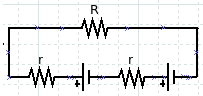
If there are two or more sources of electromotive (emf) connected as shown in the figure, the emf is arranged in series.

مساوی وولٹیج source (ε) is:

ε = ε1 + ε2 + εn

The equivalent internal resistance (r) is:

r = r1 + ر2 + رn

The electric current flowing through the external resistance (R) is:

مزید پڑھ

کرچوف کا پہلا اصول

کرچوف کا پہلا اصول 1کرچوف کا پہلا اصول جسے جنکشن پوائنٹ کا قاعدہ بھی کہا جاتا ہے کہ برقی رو جو کسی جنکشن پوائنٹ میں داخل ہوتا ہے وہی ہوتا ہے جیسا کہ اس جنکشن پوائنٹ سے برقی رو خارج ہوتا ہے۔ برقی سرکٹ میں جنکشن پوائنٹ وہ نقطہ ہے جہاں دو یا دو سے زیادہ کنڈکٹرز آپس میں ملتے ہیں، جیسے کہ سائیڈ پر موجود تصویر میں پوائنٹ a۔
I وہ برقی رو ہے جو جنکشن پوائنٹ میں داخل ہوتا ہے، جبکہ I1 اور میں2 وہ برقی کرنٹ ہیں جو جنکشن پوائنٹ سے نکلتے ہیں، I = I1 + I2. ایک اور مثال، نیچے دی گئی تصویر کا مشاہدہ کریں۔

مزید پڑھ

کرچوف کا دوسرا اصول

کرچوف کا دوسرا اصول کہتا ہے کہ بند سرکٹ کے فریم پر برقی صلاحیت میں تبدیلی صفر ہے۔ کرچوف کا دوسرا اصول توانائی کے تحفظ کے قانون پر مبنی ہے، جو کہتا ہے کہ توانائی ابدی ہے۔

کرچوف کا دوسرا اصول 1اس کو بہتر طور پر سمجھنے کے لیے، تصور کریں کہ الیکٹرک چارج بند سرکٹ میں حرکت کرتا ہے، جیسا کہ تصویر میں ہے۔ جب الیکٹرک چارج ایک سے گزرتا ہے۔ برقی مزاحمت (ر)، دی برقی ممکنہ توانائی کم ہے کیونکہ یہ ان مزاحمتوں پر استعمال ہوتا ہے۔ اگر برقی چارج کسی اور برقی مزاحمت سے گزرتا ہے، تو برقی پوٹینشل انرجی دوبارہ کم ہو جاتی ہے کیونکہ اسے دوبارہ مزاحمت پر استعمال کیا جاتا ہے۔ مزید برآں، جب الیکٹرک چارج کم پوٹینشل سے ہائی پوٹینشل کی طرف وولٹیج سورس سے گزرتا ہے تو برقی پوٹینشل انرجی بڑھ جاتی ہے۔ جب یہ اپنے اصل نقطہ پر واپس آجاتا ہے، تو برقی پوٹینشل انرجی پہلے جیسی ہوتی ہے، جہاں برقی پوٹینشل انرجی میں تبدیلی صفر ہوتی ہے۔ درخواست دیتے وقت کرچوفبرقی سرکٹ کا دوسرا اصول، ہم برقی وولٹیج میں تبدیلی کا استعمال کرتے ہیں، نہ کہ برقی پوٹینشل انرجی میں تبدیلی۔

مزید پڑھ

الیکٹرک پاور

برقی طاقت کی تعریف

کام اور توانائی میں سیکھی گئی طاقت کا تعین ایک خاص وقت کے وقفے کے دوران کیے گئے کام کے طور پر کیا جاتا ہے۔ کام توانائی کی تبدیلی کا ایک عمل ہے تاکہ طاقت کو توانائی میں ہونے والی تبدیلی کے طور پر سمجھا جا سکے جو ایک خاص وقت کے وقفے کے دوران ہوتی ہے۔

الیکٹرک پاور ایک مخصوص وقت کے وقفے کے دوران برقی توانائی میں تبدیلی ہے۔ برقی صلاحیت کے جائزے میں، یہ وضاحت کی گئی ہے کہ برقی پوٹینشل انرجی میں تبدیلی اس وقت ہوتی ہے جب برقی چارج کسی علاقے سے گزرتا ہے۔ برقی صلاحیت فرق.

مزید پڑھ