ਥਰਮੋਡਾਇਨਾਮਿਕਸ ਦਾ ਦੂਜਾ ਨਿਯਮ

ਨਾ ਬਦਲ ਸਕਣ ਵਾਲੀਆਂ ਥਰਮੋਡਾਇਨਾਮਿਕਸ ਪ੍ਰਕਿਰਿਆਵਾਂ ਦੀ ਵਿਆਖਿਆ ਕਰਨ ਲਈ, ਵਿਗਿਆਨੀਆਂ ਨੇ ਥਰਮੋਡਾਇਨਾਮਿਕਸ ਦਾ ਦੂਜਾ ਨਿਯਮ ਤਿਆਰ ਕੀਤਾ। ਥਰਮੋਡਾਇਨਾਮਿਕਸ ਦਾ ਦੂਜਾ ਨਿਯਮ ਦੱਸਦਾ ਹੈ ਕਿ ਬ੍ਰਹਿਮੰਡ ਵਿੱਚ ਕਿਹੜੀਆਂ ਪ੍ਰਕਿਰਿਆਵਾਂ ਹੋ ਸਕਦੀਆਂ ਹਨ ਅਤੇ ਕਿਹੜੀਆਂ ਪ੍ਰਕਿਰਿਆਵਾਂ ਨਹੀਂ ਹੋ ਸਕਦੀਆਂ। ਆਰਜੇਈ ਕਲੌਸੀਅਸ (1822-1888) ਨਾਮਕ ਇੱਕ ਵਿਗਿਆਨੀ ਨੇ ਹੇਠ ਲਿਖਿਆ ਬਿਆਨ ਦਿੱਤਾ:

ਕੁਦਰਤੀ ਤੌਰ 'ਤੇ, ਗਰਮੀ ਉੱਚ-ਤਾਪਮਾਨ ਵਾਲੀਆਂ ਵਸਤੂਆਂ ਤੋਂ ਘੱਟ-ਤਾਪਮਾਨ ਵਾਲੀਆਂ ਵਸਤੂਆਂ ਵੱਲ ਜਾਂਦੀ ਹੈ; ਕੁਦਰਤੀ ਤੌਰ 'ਤੇ, ਗਰਮੀ ਘੱਟ-ਤਾਪਮਾਨ ਵਾਲੀਆਂ ਵਸਤੂਆਂ ਤੋਂ ਉੱਚ-ਤਾਪਮਾਨ ਵਾਲੀਆਂ ਵਸਤੂਆਂ ਵੱਲ ਨਹੀਂ ਜਾਂਦੀ (ਥਰਮੋਡਾਇਨਾਮਿਕਸ ਦਾ ਦੂਜਾ ਨਿਯਮ—ਕਲੌਸੀਅਸ ਦਾ ਕਥਨ)।

ਕਲੌਸੀਅਸ ਦਾ ਕਥਨ ਥਰਮੋਡਾਇਨਾਮਿਕਸ ਦੇ ਦੂਜੇ ਨਿਯਮ ਦੇ ਵਿਸ਼ੇਸ਼ ਕਥਨਾਂ ਵਿੱਚੋਂ ਇੱਕ ਹੈ। ਇਸਨੂੰ ਵਿਸ਼ੇਸ਼ ਕਥਨ ਕਿਹਾ ਜਾਂਦਾ ਹੈ ਕਿਉਂਕਿ ਇਹ ਸਿਰਫ ਇੱਕ ਪ੍ਰਕਿਰਿਆ 'ਤੇ ਲਾਗੂ ਹੁੰਦਾ ਹੈ, ਜੋ ਕਿ ਗਰਮੀ ਦੇ ਤਬਾਦਲੇ ਨਾਲ ਸਬੰਧਤ ਹੈ। ਕਿਉਂਕਿ ਇਹ ਕਥਨ ਹੋਰ ਪ੍ਰਕਿਰਿਆਵਾਂ ਨਾਲ ਸੰਬੰਧਿਤ ਨਹੀਂ ਹੈ, ਇਸ ਲਈ ਸਾਨੂੰ ਇੱਕ ਹੋਰ ਆਮ ਕਥਨ ਦੀ ਲੋੜ ਹੈ। ਥਰਮੋਡਾਇਨਾਮਿਕਸ ਦੇ ਦੂਜੇ ਨਿਯਮ ਦੇ ਇੱਕ ਆਮ ਕਥਨ ਦਾ ਵਿਕਾਸ ਗਰਮੀ ਇੰਜਣਾਂ ਦੇ ਅਧਿਐਨ 'ਤੇ ਅਧਾਰਤ ਹੈ। ਇਸ ਲਈ, ਅਸੀਂ ਪਹਿਲਾਂ ਇੰਜਣ ਦੀ ਗਰਮੀ 'ਤੇ ਚਰਚਾ ਕਰਦੇ ਹਾਂ।
ਹੋਰ ਪੜ੍ਹੋ

ਥਰਮੋਡਾਇਨਾਮਿਕ ਪ੍ਰਕਿਰਿਆਵਾਂ: ਆਈਸੋਥਰਮਲ ਐਡੀਆਬੈਟਿਕ ਆਈਸੋਚੋਰਿਕ ਆਈਸੋਬੈਰਿਕ

Article Thermodynamic processes : Isothermal Adiabatic Isochoric Isobaric

There are four thermodynamic processes, namely Isothermal, isochoric, isobaric and adiabatic processes.

Isothermal Process (constant temperature)

In an isothermal process, system temperature is kept constant. Theoretically, the analyzed system is an ideal gas. Ideal gas temperature is directly proportional to ideal internal gas energy (U = 3/2 n R T). T does not change, so U also does not change. Thus, if applied to the isothermal process, the first law of the thermodynamic equation becomes:

ਹੋਰ ਪੜ੍ਹੋ

ਥਰਮੋਡਾਇਨਾਮਿਕਸ ਦਾ ਪਹਿਲਾ ਨਿਯਮ

Thermodynamic process

Heat (Q) is the energy that moves from one object to another because of the temperature difference. About systems and environments, heat is energy moving from system to environment or energy moving from environment to system, due to the temperature difference. If the system temperature is higher than the ambient temperature, heat will flow from the system to the environment. If the ambient temperature is higher than the system temperature, then heat flows from the environment to the system.

Heat (Q) is energy that moves due to the temperature difference, whereas work (W) is related to energy transfer through work. For example, if the system does work on the environment, then energy moves from system to environment. Conversely, if the environment does work on the system, then energy moves from environment to system.

ਹੋਰ ਪੜ੍ਹੋ

ਅਸਥਿਰ ਟੱਕਰਾਂ

ਅਸਥਿਰ ਟੱਕਰਾਂ

ਗਤੀ ਊਰਜਾ ਨਿਯਮ ਦੀ ਸੰਭਾਲ ਅਸਥਿਰ ਟੱਕਰਾਂ ਵਿੱਚ ਲਾਗੂ ਨਹੀਂ ਹੁੰਦੀ। ਗਤੀ ਨਿਯਮ ਦੀ ਸੰਭਾਲ ਅਸਥਿਰ ਟੱਕਰਾਂ ਵਿੱਚ ਲਾਗੂ ਹੁੰਦੀ ਹੈ ਜੇਕਰ ਦੋ ਟਕਰਾਉਣ ਵਾਲੀਆਂ ਵਸਤੂਆਂ 'ਤੇ ਕੋਈ ਬਾਹਰੀ ਬਲ ਕੰਮ ਨਹੀਂ ਕਰਦਾ। ਇੱਕ ਅਸਥਿਰ ਟੱਕਰ ਵਿੱਚ, ਟੱਕਰ ਤੋਂ ਬਾਅਦ ਦੋ ਵਸਤੂਆਂ ਇਕੱਠੇ ਚਿਪਕ ਜਾਂਦੀਆਂ ਹਨ ਜਾਂ ਇੱਕ ਦੂਜੇ ਨਾਲ ਜੁੜ ਜਾਂਦੀਆਂ ਹਨ।

ਉਦਾਹਰਨ ਸਵਾਲ 1।

ਦੋ ਵਸਤੂਆਂ ਇੱਕੋ ਜਿਹੇ ਪੁੰਜ ਦੀਆਂ ਹਨ, ਅਰਥਾਤ 1 ਕਿਲੋਗ੍ਰਾਮ। ਵਸਤੂ 1 ਇੱਕ ਸਮਤਲ ਸਮਤਲ 'ਤੇ 10 ਮੀਟਰ/ਸੈਕਿੰਡ ਦੀ ਗਤੀ ਨਾਲ ਚਲਦੀ ਹੈ ਅਤੇ ਦੂਜੀ ਵਸਤੂ ਨਾਲ ਟਕਰਾਉਂਦੀ ਹੈ ਜੋ ਕਿ ਆਰਾਮ 'ਤੇ ਹੈ। ਟੱਕਰ ਤੋਂ ਬਾਅਦ, ਦੋਵੇਂ ਵਸਤੂਆਂ ਇਕੱਠੇ ਚਿਪਕ ਜਾਂਦੀਆਂ ਹਨ। ਟੱਕਰ ਤੋਂ ਬਾਅਦ ਦੋਵਾਂ ਵਸਤੂਆਂ ਦੀ ਗਤੀ ਕਿੰਨੀ ਹੈ?

ਹੋਰ ਪੜ੍ਹੋ

ਅੰਸ਼ਕ ਤੌਰ 'ਤੇ ਲਚਕੀਲੇ ਟਕਰਾਅ

ਅੰਸ਼ਕ ਤੌਰ 'ਤੇ ਲਚਕੀਲੇ ਟਕਰਾਅ

ਅੰਸ਼ਕ ਤੌਰ 'ਤੇ ਲਚਕੀਲੇ ਟਕਰਾਵਾਂ ਵਿੱਚ, ਗਤੀ ਦੀ ਸੰਭਾਲ ਦਾ ਨਿਯਮ ਲਾਗੂ ਹੁੰਦਾ ਹੈ, ਜਦੋਂ ਕਿ ਗਤੀ ਊਰਜਾ ਦੀ ਸੰਭਾਲ ਦਾ ਨਿਯਮ ਲਾਗੂ ਨਹੀਂ ਹੁੰਦਾ। ਜਿਸ ਸਮੇਂ ਟੱਕਰ ਹੁੰਦੀ ਹੈ, ਕੁਝ ਗਤੀ ਊਰਜਾ ਧੁਨੀ ਊਰਜਾ, ਤਾਪ ਊਰਜਾ ਅਤੇ ਅੰਦਰੂਨੀ ਊਰਜਾ ਵਿੱਚ ਬਦਲ ਜਾਂਦੀ ਹੈ। ਲਚਕੀਲੇ ਸ਼ਬਦ ਦੀ ਵਰਤੋਂ ਦਰਸਾਉਂਦੀ ਹੈ ਕਿ ਟੱਕਰ ਤੋਂ ਬਾਅਦ, ਦੋਵੇਂ ਵਸਤੂਆਂ ਇਕੱਠੇ ਨਹੀਂ ਚਿਪਕਦੀਆਂ ਸਗੋਂ ਉਛਲਦੀਆਂ ਹਨ।

ਅੰਸ਼ਕ ਤੌਰ 'ਤੇ ਲਚਕੀਲੇ ਟਕਰਾਅ ਦੀ ਇੱਕ ਉਦਾਹਰਣ ਦੋ ਸੰਗਮਰਮਰਾਂ ਜਾਂ ਦੋ ਪੂਲ ਗੇਂਦਾਂ ਦੀ ਇੱਕ-ਅਯਾਮੀ ਟੱਕਰ ਹੈ।

ਹੋਰ ਪੜ੍ਹੋ

ਰੇਖਿਕ ਗਤੀ ਦੀ ਸੰਭਾਲ

ਰੇਖਿਕ ਗਤੀ ਦੀ ਸੰਭਾਲ

Law of conservation of linear momentum states that if there is no external force acting on two colliding objects, the momentum of the objects before the collision is equal to the momentum of the objects after the collision.

p1 + ਪੀ2 = ਪੀ1 ’ + p2 ' …………………….. ਸਮੀਕਰਨ 1.4

m1 v1 + ਐਮ2 v2 = ਮੀ1 v1 ' + ਮੀ2 v2 '

If after collision both objects stick together,

m1 v1 + ਐਮ2 v2 = (ਮੀ1 + ਐਮ2 ) ਵੀ'

ਹੋਰ ਪੜ੍ਹੋ

ਪੂਰੀ ਤਰ੍ਹਾਂ ਲਚਕੀਲੇ ਟਕਰਾਅ

ਪੂਰੀ ਤਰ੍ਹਾਂ ਲਚਕੀਲੇ ਟਕਰਾਅ

ਦੋ ਵਸਤੂਆਂ ਦੀ ਟੱਕਰ ਨੂੰ ਇੱਕ ਪੂਰੀ ਤਰ੍ਹਾਂ ਲਚਕੀਲਾ ਟੱਕਰ ਕਿਹਾ ਜਾਂਦਾ ਹੈ ਜੇਕਰ ਟੱਕਰ ਤੋਂ ਪਹਿਲਾਂ ਹਰੇਕ ਵਸਤੂ ਦੀ ਗਤੀ ਜਾਂ ਗਤੀ ਊਰਜਾ ਟੱਕਰ ਤੋਂ ਬਾਅਦ ਹਰੇਕ ਵਸਤੂ ਦੀ ਗਤੀ ਅਤੇ ਗਤੀ ਊਰਜਾ ਦੇ ਬਰਾਬਰ ਹੁੰਦੀ ਹੈ। ਦੂਜੇ ਸ਼ਬਦਾਂ ਵਿੱਚ, ਗਤੀ ਦੇ ਨਿਯਮ ਦੀ ਸੰਭਾਲ ਅਤੇ ਗਤੀ ਊਰਜਾ ਦੇ ਨਿਯਮ ਦੀ ਸੰਭਾਲ ਪੂਰੀ ਤਰ੍ਹਾਂ ਲਚਕੀਲਾ ਟੱਕਰਾਂ ਵਿੱਚ ਲਾਗੂ ਹੁੰਦੀ ਹੈ। ਇਲਾਸਟਿਕ ਸ਼ਬਦ ਦੀ ਵਰਤੋਂ ਦਰਸਾਉਂਦੀ ਹੈ ਕਿ ਟੱਕਰ ਤੋਂ ਬਾਅਦ, ਦੋਵੇਂ ਵਸਤੂਆਂ ਇਕੱਠੇ ਨਹੀਂ ਚਿਪਕਦੀਆਂ ਜਾਂ ਇੱਕ ਦੂਜੇ ਨਾਲ ਜੁੜੀਆਂ ਨਹੀਂ ਹੁੰਦੀਆਂ ਸਗੋਂ ਉਛਲ ਜਾਂਦੀਆਂ ਹਨ। ਹਰੇਕ ਵਸਤੂ ਦੀ ਗਤੀ ਸੁਰੱਖਿਅਤ ਹੁੰਦੀ ਹੈ।

ਹਰੇਕ ਵਸਤੂ ਦਾ ਮੋਮੈਂਟਮ ਸੁਰੱਖਿਅਤ ਰਹਿੰਦਾ ਹੈ।

ਹੋਰ ਪੜ੍ਹੋ

ਕਾਰਜ-ਮਕੈਨੀਕਲ ਊਰਜਾ ਸਿਧਾਂਤ

ਕਾਰਜ-ਮਕੈਨੀਕਲ ਊਰਜਾ ਸਿਧਾਂਤ

The work-kinetic energy theorem states that the net work or the work done by the net force is equal to the change in kinetic energy.

Wਸ਼ੁੱਧ = ਟੂt - ਕੇ.ਈo = 1⁄2 m(vt2 - ਵੀo2)

Wਸ਼ੁੱਧ = There are two types of forces, namely conservative force, and non-conservative force. Thus, net work can be considered to be comprised of the work done by a conservative force and the work done by a non-conservative force.

Wc + ਡਬਲਯੂnc = ΔKE

ਹੋਰ ਪੜ੍ਹੋ

ਰੂੜੀਵਾਦੀ ਤਾਕਤਾਂ ਦੁਆਰਾ ਕੀਤਾ ਗਿਆ ਕੰਮ ਸੰਭਾਵੀ ਊਰਜਾ

ਰੂੜੀਵਾਦੀ ਤਾਕਤਾਂ ਦੁਆਰਾ ਕੀਤਾ ਗਿਆ ਕੰਮ ਸੰਭਾਵੀ ਊਰਜਾ

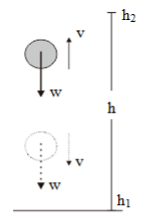
ਇੱਕ ਵਸਤੂ ਦਾ ਧਿਆਨ ਰੱਖੋ ਜੋ ਲੰਬਕਾਰੀ ਤੌਰ 'ਤੇ ਉੱਪਰ ਵੱਲ ਵਧਦੀ ਹੈ ਅਤੇ ਫਿਰ ਵੱਧ ਤੋਂ ਵੱਧ ਉਚਾਈ 'ਤੇ ਪਹੁੰਚਣ ਤੋਂ ਬਾਅਦ ਆਪਣੀ ਸ਼ੁਰੂਆਤੀ ਸਥਿਤੀ 'ਤੇ ਵਾਪਸ ਆ ਜਾਂਦੀ ਹੈ। ਜਦੋਂ ਵਸਤੂ ਲੰਬਕਾਰੀ ਤੌਰ 'ਤੇ ਉੱਪਰ ਵੱਲ ਵਧ ਰਹੀ ਹੁੰਦੀ ਹੈ, ਤਾਂ ਭਾਰ ਵਸਤੂ 'ਤੇ ਨਕਾਰਾਤਮਕ ਕੰਮ ਕਰਦਾ ਹੈ। ਜਦੋਂ ਵਸਤੂ ਉੱਪਰ ਵੱਲ ਵਧ ਰਹੀ ਹੁੰਦੀ ਹੈ, ਤਾਂ ਵਸਤੂ ਦੀ ਉਚਾਈ ਵਧ ਜਾਂਦੀ ਹੈ। ਇਸ ਲਈ, ਵਸਤੂ ਦੀ ਗੁਰੂਤਾਕਰਸ਼ਣ ਸੰਭਾਵੀ ਊਰਜਾ ਵੀ ਵਧਦੀ ਹੈ। ਇਹ ਸਿੱਟਾ ਕੱਢਿਆ ਜਾ ਸਕਦਾ ਹੈ ਕਿ ਭਾਰ ਦੁਆਰਾ ਕੀਤਾ ਗਿਆ ਨਕਾਰਾਤਮਕ ਕੰਮ ਵਸਤੂ ਦੀ ਗੁਰੂਤਾਕਰਸ਼ਣ ਸੰਭਾਵੀ ਊਰਜਾ (PE) ਵਿੱਚ ਵਾਧੇ ਦੇ ਬਰਾਬਰ ਹੈ।

ਹੋਰ ਪੜ੍ਹੋ

ਰੂੜੀਵਾਦੀ ਤਾਕਤ ਅਤੇ ਗੈਰ-ਰੂੜੀਵਾਦੀ ਤਾਕਤ

ਰੂੜੀਵਾਦੀ ਤਾਕਤ ਅਤੇ ਗੈਰ-ਰੂੜੀਵਾਦੀ ਤਾਕਤ

1. Conservative Force

1.1 ਭਾਰ (w)

Conservative force and nonconservative force 1Observe an object which moves vertically upwards until reaching a maximum height before moving downwards towards its initial position. When moving vertically upwards by h, the weight is opposite in direction from displacement. Thus, the weight does negative work on the object. 

W = w h (cos 180o) = – w h = – m g h

After reaching a maximum height, the object moves downwards towards its initial position by h. When moving downwards, the weight is in the same direction as the displacement. Because it is in the same direction as displacement, the weight does positive work.

ਹੋਰ ਪੜ੍ਹੋ