Ħabtiet Inelastiċi
Il-liġi tal-konservazzjoni tal-enerġija kinetika mhijiex applikabbli f'ħabtiet inelastiċi. Il-liġi tal-konservazzjoni tal-momentum hija applikabbli f'ħabtiet inelastiċi biss jekk l-ebda forza esterna ma taġixxi fuq iż-żewġ oġġetti li jaħbtu. F'ħabta inelastika, żewġ oġġetti jeħlu flimkien jew ikunu mwaħħlin ma' xulxin wara l-ħabta.
Eżempju ta' mistoqsija 1.
Żewġ oġġetti għandhom l-istess massa, jiġifieri 1 kg. L-oġġett 1 jiċċaqlaq fuq pjan ċatt b'veloċità ta' 10 m/s u jaħbat mal-oġġett tnejn li jkun wieqaf. Wara l-ħabta, iż-żewġ oġġetti jibqgħu flimkien. X'inhi l-veloċità taż-żewġ oġġetti wara l-ħabta?
Magħruf:
m1 = 1 kg, m2 = 1 kg, v1 = 10 m/s, v2 = 0
Meħtieġ : v'
Soluzzjoni:
m 1 v 1 + m 2 v 2 = (m 1 + m 2 ) v'
(1 kg)(10 m/s) + 0 = (1 kg + 1 kg) v'
10 kg m/s = (2 kg) v'
v' = 10 kg m/s : 2 kg = 5 m/s
Eżempju ta' mistoqsija 2.

Tliet blokki jiċċaqalqu b'rata ta' 3 ms -1 jaħbtu ma' blokk ieħor li jkun wieqfa.
Il-ħabta mhijiex elastika. L-ordni tal- veloċità tal-blokka wara l-ħabta, mill-akbar għall-iżgħar hija…
Soluzzjoni:
Figura 1:
Momentum finali = momentum inizjali
m 1 v 1 + m 2 v 2 = (m 1 + m 2 ) v
(4m)(3) + (m)(0) = (4m + m) v
12m + 0 = (5m) v
12m = 5m v
v = 12m / 5m = 12/5 = 2.4 m/s
Figura 2:
Momentum finali = Momentum inizjali
m 1 v 1 + m 2 v 2 = (m 1 + m 2 ) v
(m)(3) + (3m)(0) = (m + 3m) v
3m + 0 = (4m) v
3m = 4m v
v = 3m / 4m = 3/4 = 0.75 m/s
Figura 3:
m 1 v 1 + m 2 v 2 = (m 1 + m 2 ) v
(m)(3) + (m)(0) = (m + m) v
3m + 0 = (2m) v
3m = 2m v
v = 3m / 2m = 3/2 = 1.5 m/s
Eżempju ta' mistoqsija 3.
Żewġ blalen b'massa ta' m1 = 2 kg u m2 = 1 kg qed jiċċaqalqu f'direzzjoni opposta b'veloċità ta' v1 = 2 ms -1 u v2 = 4 ms -1 kif muri fil-figura t'hawn taħt. Jekk ħabta ma tkunx elastika, x'inhi l-veloċità taż-żewġ blalen wara l-ħabta?
Magħruf:
Massa tal-ballun 1 (m1) = 2 kg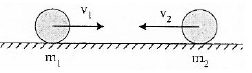
Massa tal-ballun 2 (m2 ) = 1 kg
Veloċità tal-ballun 1 qabel il-ħabta (v 1 ) = 2 m/s
Veloċità tal-ballun 2 qabel il-ħabta (v2 ) = -4 m/s
Sinjali ta' żieda u tnaqqis jindikaw li ż-żewġ blalen jiċċaqalqu f'direzzjonijiet opposti.
Meħtieġa : Veloċità tal-blalen wara l-ħabta (v')
Soluzzjoni:
m 1 v 1 + m 2 v 2 = (m 1 + m 2 ) v'
(2)(2) + (1)(-4) = (2 + 1) v'
4 – 4 = (3) v'
0 = (3) v'
v' = 0
Eżempju ta' mistoqsija 4.
Żewġ oġġetti, A u B, b'massa ta' kull oġġett, qed jersqu lejn xulxin b'veloċità ta' v A = 4 ms -1 u v B = 5 ms -1 . Jekk il-ħabta mhijiex elastika, x'inhi l-veloċità taż-żewġ oġġetti wara l-ħabta?
Magħruf:
Massa tal-oġġett A (m²A ) = 1.5 kg
Massa tal-oġġett B (m²B ) = 1.5 kg
Veloċità tal-oġġett A qabel il-ħabta (v A ) = 4 m/s (sinjal flimkien, lejn il-lemin)
Veloċità tal-oġġett B qabel il-ħabta (v B ) = -5 m/s (sinjal ta' tnaqqis, lejn ix-xellug)
Meħtieġa: Il-veloċità taż-żewġ oġġetti wara l-ħabta
Soluzzjoni:
Konservazzjoni tal-momentum lineari:
mA vA + mB vB = ( mA + mB ) v '
(1.5)(4) + (1.5)(-5) = (1.5 +1.5) v'
6 – 7.5 = (3) v'
-1.5 = (3) v'
v' = -1.5 / 3
v' = -0.5 m/s
Is-sinjal tan-minus jindika li ż-żewġ oġġetti jiċċaqalqu lejn ix-xellug.
20 mistoqsija u tweġiba kunċettwali dwar ħabtiet inelastiċi:
1. Mistoqsija: X'jiddefinixxi ħabta inelastika? Tweġiba: F'ħabta inelastika, l-enerġija kinetika ma tiġix ikkonservata, għalkemm il-momentum jiġi kkonservat. Parti mill-enerġija kinetika inizjali tiġi trasformata f'forom oħra ta' enerġija.
2. Mistoqsija: Kif inhi differenti ħabta perfettament inelastika minn ħabta parzjalment inelastika? Tweġiba: F'ħabta perfettament inelastika, l-oġġetti jeħlu flimkien wara l-ħabta. F'ħabta parzjalment inelastika, l-oġġetti jisseparaw, iżda xorta jkun hemm telf ta' enerġija kinetika.
3. Mistoqsija: X'jibqa' kkonservat fit-tipi kollha ta' ħabtiet, inklużi dawk inelastiċi? Tweġiba: Il-momentum dejjem jiġi kkonservat fil-ħabtiet kollha, irrispettivament mill-elastiċità tagħhom.
4. Mistoqsija: Għaliex l-enerġija kinetika ma tiġix ikkonservata f'ħabtiet inelastiċi? Tweġiba: Parti mill-enerġija kinetika tiġi kkonvertita f'forom oħra ta' enerġija, bħal enerġija potenzjali, sħana, jew ħoss.
5. Mistoqsija: Kif jista' wieħed jidentifika ħabta inelastika sempliċement billi josserva l-veloċitajiet qabel u wara l-ħabta? Tweġiba: L-enerġija kinetika totali qabel il-ħabta se tkun akbar mill-enerġija kinetika totali wara l-ħabta.
6. Mistoqsija: Jistgħu jseħħu ħabtiet inelastiċi f'dimensjoni waħda biss? Tweġiba: Le, ħabtiet inelastiċi jistgħu jseħħu f'dimensjoni waħda, tnejn, jew tlieta. Il-prinċipji jibqgħu l-istess, il-kalkoli vettorjali biss isiru aktar kumplessi.
7. Mistoqsija: Fil-kuntest tal-fiżika tal-partiċelli, x'inhu riżultat komuni ta' ħabtiet inelastiċi? Tweġiba: Fil-fiżika tal-partiċelli, il-ħabtiet inelastiċi ħafna drabi jirriżultaw fit-trasformazzjoni tal-partiċelli li jaħbtu f'partiċelli differenti.
8. Mistoqsija: Kif tista' tiddetermina l-ammont ta' enerġija mitlufa f'ħabta inelastika? Tweġiba: Billi tikkalkula d-differenza bejn l-enerġija kinetika inizjali totali u l-enerġija kinetika finali totali.
9. Mistoqsija: Għaliex il-ħabtiet inelastiċi ma jiksrux il-liġi tal-konservazzjoni tal-enerġija? Tweġiba: L-enerġija xorta tiġi kkonservata; sempliċement tiġi kkonvertita minn forma waħda (kinetika) għal oħra (bħas-sħana jew il-ħoss) minflok ma tibqa' purament bħala enerġija kinetika.
10. Mistoqsija: Il-biċċa l-kbira tal-ħabtiet fid-dinja reali huma inelastiċi? Tweġiba: Iva, il-biċċa l-kbira tal-ħabtiet fid-dinja reali huma inelastiċi għaliex tipikament ikun hemm xi konverżjoni tal-enerġija kinetika għal forom oħra.
11. Mistoqsija: F'ħabta inelastika, jekk żewġ oġġetti jeħlu flimkien, x'jista' jingħad dwar il-veloċità kkombinata tagħhom? Tweġiba: Il-veloċità kkombinata tagħhom hija determinata mill-konservazzjoni tal-momentum. Iż-żewġ oġġetti se jiċċaqalqu b'veloċità komuni wara l-ħabta.
12. Mistoqsija: Kif jirrelata l-koeffiċjent tar-restituzzjoni mal-ħabtiet inelastiċi? Tweġiba: Il-koeffiċjent tar-restituzzjoni, indikat bħala , ikejjel il-“bounciness” ta’ ħabta. Għal ħabtiet perfettament inelastiċi, �=0 .
13. Mistoqsija: Għaliex ħabta inelastika tista' tipproduċi ħoss? Tweġiba: Il-ħabta tista' tikkawża vibrazzjonijiet fl-oġġetti li jaħbtu, li jistgħu jipproduċu mewġ tal-ħoss fil-mezz tal-madwar.
14. Mistoqsija: L-enerġija potenzjali gravitazzjonali tista' tkun fattur f'ħabtiet inelastiċi? Tweġiba: Iva, speċjalment jekk il-ħabta tirriżulta f'bidla fl-għoli jew fil-pożizzjoni tal-oġġetti, u b'hekk l-enerġija kinetika tiġi kkonvertita f'enerġija potenzjali gravitazzjonali.
15. Mistoqsija: Għaliex il-blalen tal-gomma ma jgħaddux minn ħabtiet perfettament inelastiċi, minkejja li "jaqbżu"? Tweġiba: Blalen tal-gomma jgħaddu minn ħabtiet elastiċi jew kważi elastiċi għax għandhom it-tendenza li jżommu ħafna mill-enerġija kinetika tagħhom u jaqbżu lura. Ma jeħlux flimkien, li jkun karatteristiku ta' ħabta perfettament inelastika.
16. Mistoqsija: Jistgħu żewġ blalen tat-tafal artab juru ħabta perfettament inelastika? Tweġiba: Iva, għaliex meta żewġ blalen tat-tafal artab jaħbtu ma' xulxin, għandhom it-tendenza li jeħlu flimkien u ma jerġgħux lura, li hija karatteristika ta' ħabta perfettament inelastika.
17. Mistoqsija: Huwa possibbli li sseħħ ħabta inelastika mingħajr ebda ġenerazzjoni ta' ħoss jew sħana? Tweġiba: Huwa rari, iżda possibbli. L-enerġija tista' tinħela b'modi sottili oħra jew tinħażen bħala enerġija potenzjali interna.
18. Mistoqsija: Jistgħu l-ħabtiet inelastiċi jiġu rriversjati? Tweġiba: Ġeneralment, il-ħabtiet inelastiċi mhumiex riversibbli għaliex il-konverżjoni tal-enerġija kinetika f'forom oħra tagħmilha diffiċli li terġa' lura għall-istat inizjali.
19. Mistoqsija: Ir-reżistenza tal-arja kif tirrelata mal-ħabtiet inelastiċi? Tweġiba: Ir-reżistenza tal-arja tista' tagħmel il-ħabtiet aktar inelastiċi billi tneħħi parti mill-enerġija kinetika bħala sħana.
20. Mistoqsija: Il-ħabtiet inelastiċi għandhom implikazzjonijiet fid-disinji tas-sigurtà, bħaż-żoni ta' tiġbid tal-karozzi? Tweġiba: Iva, iż-żoni ta' tiġbid fil-karozzi huma ddisinjati biex jgħaddu minn ħabtiet inelastiċi, jassorbu l-enerġija kinetika u jnaqqsu l-forzi li jaġixxu fuq l-okkupanti.
Il-ħabtiet inelastiċi għandhom rwol vitali fil-fehim tal-liġijiet tal-konservazzjoni tal-fiżika u huma integrali f'bosta applikazzjonijiet prattiċi u disinji ta' sikurezza.
