직렬 저항에 관한 기사
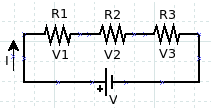
그림과 같이 저항기가 연결되어 있으면 직렬 저항이 됩니다. 여기서 말하는 저항기 또는 전기 저항은 저항 부품, 전구 또는 기타 전기 저항의 형태를 띨 수 있습니다.
전하가 저항 1(R)을 통해 이동합니다.1) = 전하 저항 2(R)를 통해 이동합니다.2) = 전하가 저항 3(R)을 통해 이동합니다.3). 전류 사용 (I)는 특정 시간 간격 동안 흐르는 전하량(I = Q / t)이므로 저항 1을 통과하는 전류(I)는 다음과 같습니다.1) = 저항 2을 통과하는 전류(I)2) = 저항 3을 통과하는 전류(I)3수학적으로 총 전류(I) = I입니다.1 = I2 = I3.
반대로, 전하가 각 저항을 통과할 때 전압(V)은 감소합니다. 전압은 전기 전위차라고도 하며, 단위 전하량당 전기 위치 에너지입니다. 각 저항에서 전기가 사용되므로 전압이 감소합니다. 따라서 전체 전압(V)은 각 저항에 흐르는 전기량과 같습니다. 수학적으로 전체 전압(V) = V입니다.1 + V2 + V3V = IR이므로 전기 전압의 방정식은 V = IR입니다.1 + IR2 + IR3각 저항에 흐르는 전류는 동일하므로 이 방정식은 V = I(R)로 바뀝니다.1 + R2 + R3).
위 방정식을 바탕으로, 총 전기 저항(R) 또는 등가 전기 저항은 다음과 같다는 결론을 내릴 수 있다.
직렬로 연결된 회로의 저항은 각 회로의 전기 저항의 합과 같습니다. 수학적으로 R = R입니다.1 + R2 + R3직렬로 연결된 저항이 두 개뿐인 경우, 등가 저항(R) = R입니다.1 + R2직렬로 연결된 저항이 4개일 경우, 등가 저항(R)은 R입니다.1 + R2 + R3 + R4마찬가지로, 직렬로 연결된 저항이 5개 이상인 경우에도 마찬가지입니다.
예제 문제 1:
저항 R1 = 2 Ω, R2 = 3 Ω, R3 = 4 Ω 이 알려져 있을 때, 세 저항은 직렬로 연결되어 있습니다. 등가 저항의 값은 얼마입니까? (Ω = 옴 )
해결 방법 :
R = R 1 + R 2 + R 3 = 2 + 3 + 4 = 9 Ω.
이 결과는 등가 저항이 직렬로 연결된 저항값보다 크다는 것을 나타냅니다.
예제 문제 2:
두 저항 R1 = 50Ω과 R2 = 50Ω이 직렬로 연결되어 12V 배터리에 연결되어 있습니다. 다음 값을 구하시오.
(a) 등가 저항
(b) 각 저항기를 통과하는 전류
해결 방법 :
(a) R = R1 + R2 = 50Ω + 50Ω = 100Ω.
(b) I = V / R = 12볼트 / 100옴 = 0.12암페어
