Серпімсіз соқтығысулар
Кинетикалық энергияның сақталу заңы серпімсіз соқтығысуларда қолданылмайды. Импульстің сақталу заңы серпімсіз соқтығысуларда екі соқтығысатын денеге сыртқы күш әсер етпеген жағдайда ғана қолданылады. Серпімсіз соқтығысуда екі дене соқтығысудан кейін бір-біріне жабысады немесе бір-біріне бекітіледі.
1-мысал сұрақ.
Екі заттың массасы бірдей, атап айтқанда 1 кг. 1-ші зат жазық жазықтықта 10 м/с жылдамдықпен қозғалады және тыныштықта тұрған екінші затпен соқтығысады. Соқтығысудан кейін екі зат бір-біріне жабысады. Соқтығысудан кейінгі екі заттың жылдамдығы қандай?
Белгілі:
м 1 = 1 кг, м 2 = 1 кг, v 1 = 10 м/с, v 2 = 0
Қалаған : v'
Шешімі:
m 1 v 1 + m 2 v 2 = (m 1 + m 2 ) v'
(1 кг)(10 м/с) + 0 = (1 кг + 1 кг) v'
10 кг м/с = (2 кг) v'
v' = 10 кг м/с : 2 кг = 5 м/с
2-мысал сұрақ.

3 мс -1 жылдамдықпен қозғалатын үш блок тыныштықтағы басқа блокпен соқтығысады.
Соқтығысу серпімсіз. Соқтығысудан кейінгі блок жылдамдығының ең үлкенінен ең кішісіне дейінгі реті ...
Шешімі:
1-сурет:
Соңғы импульс = бастапқы импульс
m 1 v 1 + m 2 v 2 = (m 1 + m 2 ) v
(4м)(3) + (м)(0) = (4м + м) v
12 м + 0 = (5 м) v
12 м = 5 м v
v = 12 м / 5 м = 12/5 = 2.4 м/с
2-сурет:
Соңғы импульс = Бастапқы импульс
m 1 v 1 + m 2 v 2 = (m 1 + m 2 ) v
(м)(3) + (3м)(0) = (м + 3м) v
3 м + 0 = (4 м) v
3 м = 4 м v
v = 3 м / 4 м = 3/4 = 0.75 м/с
3-сурет:
m 1 v 1 + m 2 v 2 = (m 1 + m 2 ) v
(м)(3) + (м)(0) = (м + м) v
3 м + 0 = (2 м) v
3 м = 2 м v
v = 3 м / 2 м = 3/2 = 1.5 м/с
3-мысал сұрақ.
Төмендегі суретте көрсетілгендей, массалары m1 = 2 кг және m2 = 1 кг болатын екі шар v1 = 2 мс - 1 және v2 = 4 мс -1 жылдамдықпен қарама-қарсы бағытта қозғалады . Егер соқтығысу серпімсіз болса, соқтығысудан кейінгі екі шардың жылдамдығы қандай?
Белгілі:
Шардың массасы 1 (м1) = 2 кг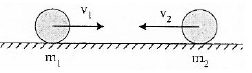
Шардың массасы 2 (м2 ) = 1 кг
1-шардың соқтығысқанға дейінгі жылдамдығы (v1 ) = 2 м/с
2-шардың соқтығысқанға дейінгі жылдамдығы (v2 ) = -4 м/с
Плюс және минус белгілері екі шардың да қарама-қарсы бағытта қозғалатынын көрсетеді.
Қажетті : Соқтығысудан кейінгі шарлардың жылдамдығы (v')
Шешімі:
m 1 v 1 + m 2 v 2 = (m 1 + m 2 ) v'
(2)(2) + (1)(-4) = (2 + 1) v'
4 – 4 = (3) v'
0 = (3) v'
v' = 0
4-мысал сұрақ.
Әрқайсысының массасы 1.5 кг болатын екі дене, А және В, бір-біріне v A = 4 мс -1 және v B = 5 мс -1 жылдамдықпен жақындап келеді . Егер соқтығысу серпімсіз болса, соқтығысудан кейінгі екі дененің жылдамдығы қандай?
Белгілі:
А затының массасы (м A ) = 1.5 кг
B затының массасы (м B ) = 1.5 кг
А нысанының соқтығысқанға дейінгі жылдамдығы (v A ) = 4 м/с (қосу белгісі, оңға қарай)
Соқтығысқанға дейінгі В нысанының жылдамдығы (vB ) = -5 м/с (минус белгісі, солға қарай)
Қажетті: Соқтығысқаннан кейінгі екі нысанның жылдамдығы
Шешімі:
Сызықтық импульстің сақталу заңы:
m A v A + m B v B = (m A + m B ) v'
(1.5)(4) + (1.5)(-5) = (1.5 +1.5) v'
6 – 7.5 = (3) v'
-1.5 = (3) v'
v' = -1.5 / 3
v' = -0.5 м/с
Минус белгісі екі нысанның да солға қарай жылжитынын көрсетеді.
Серпімсіз соқтығысулар туралы 20 тұжырымдамалық сұрақ және жауап:
1. Сұрақ: Серпімсіз соқтығысуды не анықтайды? Жауап: Серпімсіз соқтығысуда кинетикалық энергия сақталмайды, бірақ импульс сақталады. Бастапқы кинетикалық энергияның бір бөлігі энергияның басқа түрлеріне айналады.
2. Сұрақ: Абсолютті серпімсіз соқтығысу жартылай серпімсіз соқтығысудан қалай ерекшеленеді? Жауап: Абсолютті серпімсіз соқтығысуда заттар соқтығысудан кейін бір-біріне жабысады. Жартылай серпімсіз соқтығысуда заттар бір-бірінен ажырайды, бірақ кинетикалық энергия жоғалады.
3. Сұрақ: Серпімді емес соқтығысуларды қоса алғанда, барлық соқтығысу түрлерінде не сақталады? Жауап: Импульс серпімділігіне қарамастан, барлық соқтығысуларда әрқашан сақталады.
4. Сұрақ: Неліктен кинетикалық энергия серпімсіз соқтығысуларда сақталмайды? Жауап: Кинетикалық энергияның бір бөлігі потенциалдық энергия, жылу немесе дыбыс сияқты басқа энергия түрлеріне айналады.
5. Сұрақ: Соқтығысуға дейінгі және кейінгі жылдамдықтарды бақылау арқылы серпімсіз соқтығысуды қалай анықтауға болады? Жауап: Соқтығысуға дейінгі жалпы кинетикалық энергия соқтығысудан кейінгі жалпы кинетикалық энергиядан үлкен болады.
6. Сұрақ: Серпімсіз соқтығысулар тек бір өлшемде болуы мүмкін бе? Жауап: Жоқ, серпімсіз соқтығысулар бір, екі немесе үш өлшемде болуы мүмкін. Принциптер өзгеріссіз қалады, тек векторлық есептеулер күрделене түседі.
7. Сұрақ: Бөлшектер физикасы тұрғысынан алғанда, серпімсіз соқтығысулардың жиі кездесетін нәтижесі қандай? Жауап: Бөлшектер физикасында серпімсіз соқтығысулар көбінесе соқтығысатын бөлшектердің басқа бөлшектерге айналуына әкеледі.
8. Сұрақ: Серпімсіз соқтығысу кезінде жоғалған энергия мөлшерін қалай анықтауға болады? Жауап: Бастапқы жалпы кинетикалық энергия мен соңғы жалпы кинетикалық энергия арасындағы айырмашылықты есептеу арқылы.
9. Сұрақ: Неліктен серпімсіз соқтығысулар энергияның сақталу заңын бұзбайды? Жауап: Энергия әлі де сақталады; ол тек кинетикалық энергия ретінде қалмай, тек бір түрден (кинетикалық) басқа түрге (мысалы, жылу немесе дыбыс) айналады.
10. Сұрақ: Нақты әлемдегі соқтығысулардың көпшілігі серпімсіз бе? Жауап: Иә, нақты әлемдегі соқтығысулардың көпшілігі серпімсіз, себебі әдетте кинетикалық энергияның басқа түрлерге түрленуі болады.
11. Сұрақ: Серпімсіз соқтығысу кезінде екі зат бір-біріне жабысып қалса, олардың жалпы жылдамдығы туралы не айтуға болады? Жауап: Олардың жалпы жылдамдығы импульстің сақталу заңымен анықталады. Екі зат соқтығысудан кейін ортақ жылдамдықпен қозғалады.
12. Сұрақ: Қалпына келтіру коэффициенті серпімсіз соқтығысулармен қалай байланысты? Жауап: деп белгіленген қалпына келтіру коэффициенті соқтығысудың «секіргіштігін» өлшейді. Абсолютті серпімсіз соқтығысулар үшін �=0 .
13. Сұрақ: Неліктен серпімсіз соқтығысу дыбыс шығаруы мүмкін? Жауап: Соқтығысу соқтығысатын нысандарда діріл тудыруы мүмкін, бұл қоршаған ортада дыбыс толқындарын тудыруы мүмкін.
14. Сұрақ: Гравитациялық потенциал энергиясы серпімсіз соқтығысуларға әсер ете ала ма? Жауап: Иә, әсіресе соқтығысу объектілердің биіктігінің немесе орналасуының өзгеруіне әкеліп соқса, кинетикалық энергия гравитациялық потенциал энергиясына айналады.
15. Сұрақ: Неліктен резеңке шарлар «секіргіш» болғанына қарамастан, абсолютті серпімді емес соқтығысуларға ұшырамайды? Жауап: Резеңке шарлар серпімді немесе серпімдіге жақын соқтығысуларға ұшырайды, себебі олар кинетикалық энергиясының көп бөлігін сақтап, кері секіреді. Олар бір-біріне жабыспайды, бұл абсолютті серпімді емес соқтығысуға тән.
16. Сұрақ: Екі жұмсақ саз шар абсолютті серпімсіз соқтығысуды көрсете ала ма? Жауап: Иә, себебі екі жұмсақ саз шар соқтығысқан кезде олар бір-біріне жабысып, кері секірмейді, бұл абсолютті серпімсіз соқтығысуға тән.
17. Сұрақ: Серпімсіз соқтығысу дыбыс немесе жылу пайда болмай-ақ болуы мүмкін бе? Жауап: Бұл сирек кездеседі, бірақ мүмкін. Энергия басқа нәзік жолдармен шашырауы немесе ішкі потенциалдық энергия ретінде сақталуы мүмкін.
18. Сұрақ: Серпімсіз соқтығысуларды кері қайтаруға бола ма? Жауап: Жалпы алғанда, серпімсіз соқтығысуларды қайтымды деп санауға болмайды, себебі кинетикалық энергияның басқа түрлерге айналуы бастапқы күйге оралуды қиындатады.
19. Сұрақ: Ауа кедергісі серпімсіз соқтығысулармен қалай байланысты? Жауап: Ауа кедергісі кинетикалық энергияның бір бөлігін жылу ретінде тарату арқылы соқтығысуларды серпімсіз етуі мүмкін.
20. Сұрақ: Серпімсіз соқтығысулардың қауіпсіздік жобаларына, мысалы, көліктің қирау аймақтарына әсері бар ма? Жауап: Иә, көліктердегі қирау аймақтары кинетикалық энергияны сіңіріп, жолаушыларға әсер ететін күштерді азайтып, серпімсіз соқтығысуларға ұшырауға арналған.
Серпімсіз соқтығысулар физиканың сақталу заңдарын түсінуде маңызды рөл атқарады және көптеген практикалық қолданбалар мен қауіпсіздік жобаларының ажырамас бөлігі болып табылады.
