הִתנַגְדוּת סְגוּלִית

מאמר על התנגדות

בנוגע לזרם חשמלי, צפיפות הזרם החשמלי נדונה, ולכן גם השדה החשמלי הוסבר בנושא על השדה החשמלי. השדה החשמלי והזרם החשמלי נמצאים במוליך אם יש הפרש פוטנציאלים במוליך, ואילו אם אין הפרש פוטנציאלים, אז גם אין שדה חשמלי וזרם חשמלי.

כמעט בכל מוליכי המתכת, השדה החשמלי הוא ביחס ישר לצפיפות הזרם החשמלי, כאשר היחס בין השדה החשמלי לצפיפות הזרם החשמלי הוא קבוע. ערך ההשוואה בין השדה החשמלי לצפיפות הזרם נקרא התנגדות. מבחינה מתמטית, הקשר בין השדה החשמלי, צפיפות הזרם וההתנגדות מוצג במשוואה:
קראו עוד

קוד צבע הנגד

Article about the Resistor color code

השמיים נגד is one component of an electrical circuit that functions to control the number of electric currents. In general, there are two types of resistors, namely wire coil resistors and carbon resistors. Wire roll resistors are usually used in the laboratory, made by wrapping fine wire on the surface of the insulator tube. Carbon resistors are typically used in electronic circuits, cylindrical, and have wires at both ends. The value of the carbon resistor resistance is expressed in color code and displayed on the surface of the resistor.

The resistance value of a resistor can be known by interpreting the resistor color code. To understand this, first look at the following table, then study the example problem to determine the resistor resistance value.

קראו עוד

נגדים בטור

Resistors in series 1

Article about the Resistors in series

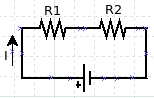
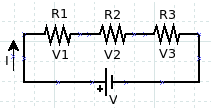
If the resistors are connected as shown in the figure, the resistors are arranged in series. Resistor or electrical resistance in question can be in the form of resistor components, lights, or other electrical resistance.

The electric charge moves through resistance 1 (R1) = ה מטען חשמלי moves through resistance 2 (R2) = the electric charge moves through resistance 3 (R3). זרם חשמלי (I) is an electric charge that flows during a certain time interval (I = Q / t), hence the electric current through resistance 1 (I1) = electric current through resistance 2 (I2) = electric current through resistance 3 (I3). Mathematically, the total electric current (I) = I1 = אני2 = אני3.

קראו עוד

התנגדות חשמלית

Equation of the Electric resistance

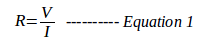
In the topic of Ohm’s law, a formula that states the relationship between the מתח (ו'), זרם חשמלי (I), and התנגדות חשמלית (R) has been derived. Mathematically expressed through equations:

Electric resistance 1

This equation shows that the electrical resistance (R) is directly proportional to the electric voltage (V) and inversely proportional to the electric current (I). If the mains voltage is greater than the electrical resistance is getting bigger, on the contrary, if the stronger the electric current gets bigger than the electrical resistance will be greater. This equation explains Ohm’s law only when the electrical resistance (R) is constant. If the electrical resistance is not constant, then this equation does not explain Ohm’s law, but explains the resistance of a conductor.

קראו עוד

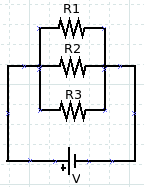
נגדים במקביל

Resistors in parallel 1

Article about the Resistors in parallel

If the resistors are connected as in the figure, the resistors are connected in parallel.

השמיים זרם חשמלי (electric current = electric charge that flows during a time interval) that enters the junction point is the same as the electric current exit from the junction point. There are several junctions so that the total electric current = the amount of electric current flowing in each junction. Mathematically, I = I1 + אני2 + אני3. While the electric potential difference or מתח חשמלי in each junction is the same.

I = V/R so the above equation changes to I = V/R1 + V/R2 + V/R3. The electric voltage is equal, so this equation changes to I = V (1/R1 +1/R2 +1/R3). If the equivalent resistance is 1/R then I = V (1/R). Thus, 1/R = 1/R1 +1/R2 +1/R3.

קראו עוד

מקור כוח אלקטרו-מניע התנגדות פנימית מתח מסוף

Article about Source of electromotive force emf Internal resistance Terminal voltage

זרם חשמלי flows in a closed circuit, from high potential to low potential. When an electric current moves through a component of electrical resistance, there is a reduction in אנרגיה פוטנציאלית חשמלית because electrical energy is used on this resistance. In order for the electric current to continue to flow from high potential to low potential,

there must be a device to add electrical potential energy, the tool is an electromotive force (emf) or more accurately called an electric voltage source. Emf or a voltage source is a component that converts a type of energy into electrical energy, such as batteries, solar cells, or electricity generators.

קראו עוד

EMFs בטור ובמקביל

EMFs בטור ובמקביל 1

EMFs בטור ובמקביל

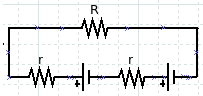
אם ישנם שני מקורות או יותר של אנרגיה אלקטרומגנטית (emf) המחוברים כפי שמוצג באיור, ה-emf מסודר בטור.

המקבילה מתח המקור (ε) הוא:

ε = ε1 + ε2 + εn

ההתנגדות הפנימית המקבילה (r) היא:

r = r1 +r2 +rn

הזרם החשמלי הזורם דרך ההתנגדות החיצונית (R) הוא:

קראו עוד

הכלל הראשון של קירכהוף

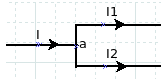
Kirchhoff’s first rule 1Kirchhoff’s first rule also called the rule of junction point states that the electric current that enters a junction point is the same as the electric current exit from that junction point. The junction point in an electrical circuit is the point where two or more of the two conductors meet, such as point a in the figure on the side.

I is the electric current that enters the junction point, while I1 ואני2 are the electric currents that exit from the junction point, I = I1 + אני2. Another example, observe the figure below.

קראו עוד

הכלל השני של קירכהוף

הכלל השני של קירכהוף קובע כי השינוי בפוטנציאל החשמלי על היקף מעגל סגור הוא אפס. הכלל השני של קירכהוף מבוסס על חוק שימור האנרגיה, הקובע כי אנרגיה היא נצחית.

הכלל השני של קירכהוף 1כדי להבין זאת טוב יותר, דמיינו את המטען החשמלי נע במעגל סגור, כמו באיור. כאשר מטען חשמלי עובר דרך התנגדות חשמלית (ר'), ה- אנרגיה פוטנציאלית חשמלית מצטמצם מכיוון שהוא משמש על התנגדויות אלה. אם המטען החשמלי עובר דרך התנגדות חשמלית אחרת, האנרגיה הפוטנציאלית החשמלית פוחתת שוב מכיוון שהוא משמש שוב על ההתנגדות. יתר על כן, כאשר המטען החשמלי עובר דרך מקור המתח מפוטנציאל נמוך לפוטנציאל גבוה, האנרגיה הפוטנציאלית החשמלית עולה. כאשר הוא חוזר לנקודתו המקורית, האנרגיה הפוטנציאלית החשמלית זהה לזו שלפני כן, כאשר השינוי באנרגיה הפוטנציאלית החשמלית הוא אפס. כאשר מיישמים קירכהוףהכלל השני של למעגל חשמלי, אנו משתמשים בשינוי במתח החשמלי, לא בשינוי באנרגיה הפוטנציאלית החשמלית.

קראו עוד

כוח חשמלי

הגדרת חשמל

ההספק הנלמד בעבודה ואנרגיה נקבעים כעבודה שנעשית במהלך פרק זמן מסוים. עבודה היא תהליך של שינוי אנרגיה, כך שניתן להבין הספק כשינוי באנרגיה המתרחש במהלך פרק זמן מסוים.

חשמל הוא שינוי באנרגיה חשמלית במהלך פרק זמן מסוים. בסקירה של פוטנציאל חשמלי, מוסבר ששינויים באנרגיה פוטנציאלית חשמלית מתרחשים כאשר מטען חשמלי עובר דרך אזור. פוטנציאל חשמלי הבדל.

קראו עוד