החוק השני של התרמודינמיקה

כדי להסביר את התהליכים התרמודינמיים הבלתי הפיכים, ניסחו המדענים את החוק השני של התרמודינמיקה. החוק השני של התרמודינמיקה מסביר אילו תהליכים יכולים להתרחש ביקום ואילו תהליכים לא יכולים להתרחש. מדען בשם RJE קלאוזיוס (1822-1888) אמר את ההצהרה הבאה:

באופן טבעי, חום נע מעצמים בעלי טמפרטורה גבוהה לעצמים בעלי טמפרטורה נמוכה; באופן טבעי, חום אינו עובר מעצמים בעלי טמפרטורה נמוכה לעצמים בעלי טמפרטורה גבוהה (החוק השני של התרמודינמיקה - קביעתו של קלאוסיוס).

האמירה של קלאוזיוס היא אחת מההצהרות המיוחדות של החוק השני של התרמודינמיקה. היא נקראת הצהרה מיוחדת משום שהיא חלה רק על תהליך אחד בלבד, הקשור למעבר חום. מכיוון שההצהרה הזו אינה קשורה לתהליכים אחרים, אנו זקוקים להצהרה כללית יותר. פיתוחה של הצהרה כללית של החוק השני של התרמודינמיקה מבוסס על חקר מנועי חום. לכן, נדון תחילה בחום המנוע.
קראו עוד

תהליכים תרמודינמיים: איזותרמיים, אדיאבטיים, איזוכוריים, איזובריים

מאמר תהליכים תרמודינמיים: איזותרמי, אדיאבטי, איזוכורי, איזוברי

ישנם ארבעה תהליכים תרמודינמיים, כלומר תהליכים איזותרמיים, איזוכוריים, איזובריים ואדיאבטיים.

תהליך איזותרמי (טמפרטורה קבועה)

בתהליך איזותרמי, טמפרטורת המערכת נשמרת קבועה. תיאורטית, המערכת המנותחת היא גז אידיאלי. טמפרטורת הגז האידיאלית היא ביחס ישר לאנרגיה הפנימית האידיאלית של הגז (U = 3/2 n RT). T לא משתנה, ולכן גם U לא משתנה. לכן, אם מיישמים זאת על התהליך האיזותרמי, החוק הראשון של המשוואה התרמודינמית הופך להיות:

קראו עוד

החוק הראשון של התרמודינמיקה

Thermodynamic process

Heat (Q) is the energy that moves from one object to another because of the temperature difference. About systems and environments, heat is energy moving from system to environment or energy moving from environment to system, due to the temperature difference. If the system temperature is higher than the ambient temperature, heat will flow from the system to the environment. If the ambient temperature is higher than the system temperature, then heat flows from the environment to the system.

Heat (Q) is energy that moves due to the temperature difference, whereas work (W) is related to energy transfer through work. For example, if the system does work on the environment, then energy moves from system to environment. Conversely, if the environment does work on the system, then energy moves from environment to system.

קראו עוד

התנגשויות לא אלסטיות

התנגשויות לא אלסטיות

חוק שימור האנרגיה הקינטית אינו חל בהתנגשויות לא אלסטיות. חוק שימור התנע חל בהתנגשויות לא אלסטיות רק אם לא פועל כוח חיצוני על שני העצמים המתנגשים. בהתנגשות לא אלסטית, שני עצמים נדבקים זה לזה או מחוברים זה לזה לאחר ההתנגשות.

שאלה לדוגמה 1.

שני עצמים הם בעלי אותה מסה, כלומר 1 ק"ג. עצם 1 נע על מישור ישר במהירות של 10 מטר לשנייה ומתנגש בעצם 2 שנמצא במנוחה. לאחר ההתנגשות, שני העצמים נדבקים זה לזה. מהי מהירות שני העצמים לאחר ההתנגשות?

קראו עוד

התנגשויות אלסטיות חלקית

התנגשויות אלסטיות חלקית

בהתנגשויות אלסטיות חלקית, חוק שימור התנע חל, בעוד שחוק שימור האנרגיה הקינטית אינו חל. בזמן התנגשות, חלק מהאנרגיה הקינטית מומרת לאנרגיית קול, אנרגיית חום ואנרגיה פנימית. השימוש במילה אלסטי מצביע על כך שלאחר ההתנגשות, שני העצמים אינם נדבקים זה לזה אלא קופצים זה מזה.

דוגמה להתנגשות אלסטית חלקית היא התנגשות חד-ממדית של שתי גולות או שני כדורי ביליארד.

קראו עוד

שימור תנע ליניארי

שימור תנע ליניארי

Law of conservation of linear momentum states that if there is no external force acting on two colliding objects, the momentum of the objects before the collision is equal to the momentum of the objects after the collision.

p1 + עמ '2 = עמ '1 ’ + p2 ’ ………………….. Equation 1.4

m1 v1 + מ '2 v2 = מ1 v1 ' + מ2 v2 "

If after collision both objects stick together,

m1 v1 + מ '2 v2 = (מ'1 + מ '2 ) ו'

קראו עוד

התנגשויות אלסטיות לחלוטין

התנגשויות אלסטיות לחלוטין

A collision of two objects is called a perfectly elastic collision if the momentum or kinetic energy of each object before the collision is equal to the momentum and kinetic energy of each object after the collision. In other words, the conservation of momentum law and conservation of kinetic energy law are applicable in perfectly elastic collisions. The use of the word elastic signifies that after the collision, the two objects do not stick together or are not attached to each other but bounce off. The momentum of each object is conserved.

The momentum of each object is conserved.

קראו עוד

עקרון האנרגיה המכנית-עבודה

עקרון האנרגיה המכנית-עבודה

The work-kinetic energy theorem states that the net work or the work done by the net force is equal to the change in kinetic energy.

Wנטו = KEt – אלo = 1⁄2 m(vt2 - נo2)

Wנטו = There are two types of forces, namely conservative force, and non-conservative force. Thus, net work can be considered to be comprised of the work done by a conservative force and the work done by a non-conservative force.

Wc + Wnc = ΔKE

קראו עוד

עבודה שנעשית על ידי כוחות משמרים אנרגיה פוטנציאלית

עבודה שנעשית על ידי כוחות משמרים אנרגיה פוטנציאלית

Observe an object which moves vertically upwards and then return to its initial position after reaching a maximum height. When the object is moving vertically upwards, weight does negative work on the object. When the object is moving upwards, the object’s height increases. Therefore, the object’s gravitational potential energy increases as well. It can be concluded that the negative work done by weight is equal to the increase in the object’s gravitational potential energy (PE).

קראו עוד

כוח שמרני וכוח לא שמרני

כוח שמרני וכוח לא שמרני

1. Conservative Force

1.1 משקל (משקל)

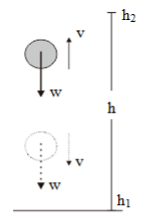
Conservative force and nonconservative force 1Observe an object which moves vertically upwards until reaching a maximum height before moving downwards towards its initial position. When moving vertically upwards by h, the weight is opposite in direction from displacement. Thus, the weight does negative work on the object. 

W = w h (cos 180o) = – w h = – m g h

After reaching a maximum height, the object moves downwards towards its initial position by h. When moving downwards, the weight is in the same direction as the displacement. Because it is in the same direction as displacement, the weight does positive work.

קראו עוד